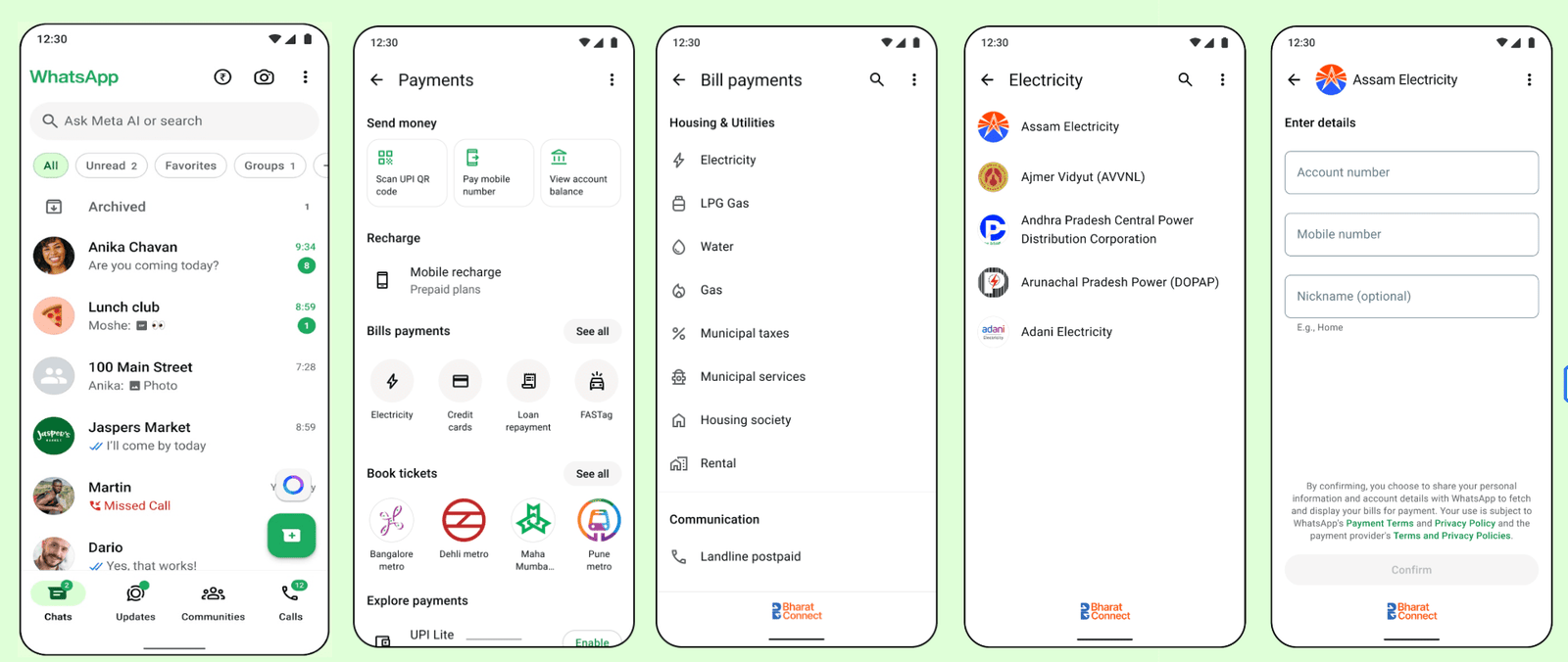
The Chat App Becomes a Digital Utility Hub
For millions of Indians, WhatsApp is no longer just a place to share family photos or group memes; it has evolved into a primary gateway for daily communication and commerce. Meta is doubling down on this transformation by integrating direct bill payments into the platform’s ecosystem. This move aims to streamline how users handle recurring expenses like electricity, water, and gas. By embedding these financial tools directly into a familiar interface, Meta is attempting to eliminate the friction of switching between multiple apps just to settle monthly household obligations.
The strategic pivot toward integrated payments reflects a broader trend in the global tech landscape where “super-apps” dominate user attention by consolidating diverse services into a single portal. In India, where mobile penetration and digital literacy are skyrocketing, WhatsApp provides an unparalleled reach. By allowing users to manage their utilityer bills within the chat interface, Meta is positioning itself as a central hub for daily life. This isn’t just about convenience; it is about capturing more of the high-frequency interactions that define the modern digital economy in one of the world’s largest mobile markets.
The core value proposition lies in the reduction of cognitive load for the end user. Navigating complex banking portals or navigating various utility provider websites can be a cumbersome experience, especially on low-bandwidth connections. By bringing these capabilities to WhatsApp, Meta leverages its massive existing user base to simplify the payment journey. Users can now find, manage, and pay their bills without ever leaving their primary messaging app. This integration targets the “everyday” aspect of household management, turning a chore into a seamless interaction within a space where users already spend hours every day.
This expansion is part of a larger roadmap to solidify WhatsApp’s role in the Indian economy. The source report highlights how this feature is designed to make the payment process more intuitive. By integrating these features, Meta aims to provide a smoother experience for users who might otherwise struggle with fragmented systems. The goal is to create a unified environment where financial transactions feel as natural and easy as sending a text message or a voice note to a friend.
Technically, this transition requires robust backend integrations with various Indian utility providers and payment gateways. For the user, however, the complexity of these connections is hidden behind a clean, chat-based interface. This abstraction is key to the success of such features in emerging markets. By removing the technical hurdles of navigating different platforms, WhatsApp creates a frictionless path for consumers. The move signals a significant milestone in Meta’s strategy to turn its messaging platform into a comprehensive utility tool that serves the practical needs of millions of households across the subcontinent.
As the rollout begins, the implications for the fintech landscape in India are profound. Competition among payment platforms will likely intensify as they vie to remain relevant within the WhatsApp ecosystem. While current payment apps offer robust features, the sheer “stickiness” of a messaging app provides a massive competitive advantage. By embedding bill payments into the chat flow, Meta is effectively turning every conversation thread into a potential point of transaction. This move transforms the app from a communication tool into a comprehensive service layer that integrates deeply with the physical infrastructure of daily life.
The Super-App Ambition and the Frictionless Economy
By integrating utility payments directly into the chat interface, Meta is attempting to solve a fundamental problem in the digital economy: friction. For many Indian users, navigating multiple standalone apps for different services creates a fragmented experience that can lead to drop-offs in transaction completion. By consolidating these actions into WhatsApp, Meta creates a “sticky” ecosystem where the user never has to leave the environment. This transition from a communication tool to a transactional hub mirrors the trajectory of Chinese giants like WeChat, which successfully consolidated social media, payments, and services into a single, indispensable daily utility.
The strategic logic here is rooted in psychological convenience. When a user receives a reminder for a water bill via a WhatsApp notification, the ability to settle that debt with a few taps—rather than navigating to a dedicated billing portal—drastically increases the likelihood of immediate payment. For Meta, this isn’t just about helping users pay bills; it is about owning the point of transaction. By becoming the primary interface for commerce, WhatsApp becomes more than an app; it becomes an essential piece of infrastructure that makes it harder for users to switch to competing platforms.
Related Articles
Navigating the Risks of Data and Trust
However, this expansion into the financial realm brings significant scrutiny regarding data privacy and security. When a single platform handles both private conversations and sensitive financial data, the surface area for potential misuse grows. Critics argue that centralizing such diverse activities could lead to an unprecedented concentration of personal information. While Meta maintains that these features are designed with security in mind, the sheer scale of the user base means any vulnerability within the payment gateway could have massive repercussions. Establishing trust in this new role is perhaps the most significant hurdle Meta faces in its quest for dominance.
Furthermore, there are regulatory hurdles to clear in a country as complex as India. The government maintains strict oversight on digital payments and data localization. By integrating financial services, WhatsApp must comply with rigorous banking regulations that standard messaging apps do not face. This creates a high-stakes environment where Meta must balance its global corporate goals with local legal requirements. If the platform can successfully navigate these hurdles while maintaining user trust, it could set a new global standard for how social media companies integrate fintech solutions into their core products.
The Broader Implications for the Tech Landscape
The ripple effects of this move will likely be felt across the entire fintech sector. If WhatsApp becomes the primary gateway for utility payments, traditional banking apps and independent payment gateways may see a decline in direct user engagement. They may be forced to partner with Meta or adapt their own models to remain relevant. This shift signals a move toward an “all-in-one” philosophy where the goal is to minimize the number of clicks between a need and its fulfillment. The winner in this space will be whichever platform can most effectively eliminate the boundaries between social interaction and commercial utility.
Ultimately, the evolution of WhatsApp in India serves as a blueprint for how global tech giants can adapt to local markets by leaning into existing habits. By transforming from a messaging app into a digital utility hub, Meta is betting on the power of convenience over specialized platforms. As more services move behind the “WhatsApp curtain,” the distinction between social media and daily life continues to blur. While the transition presents significant challenges in security and regulation, the opportunity for market dominance is immense. Will this shift toward a super-app model eventually make standalone utility apps obsolete, or will users still prefer specialized tools for their most sensitive financial transactions?