Nvidia Robotaxi Infrastructure Trends 2026
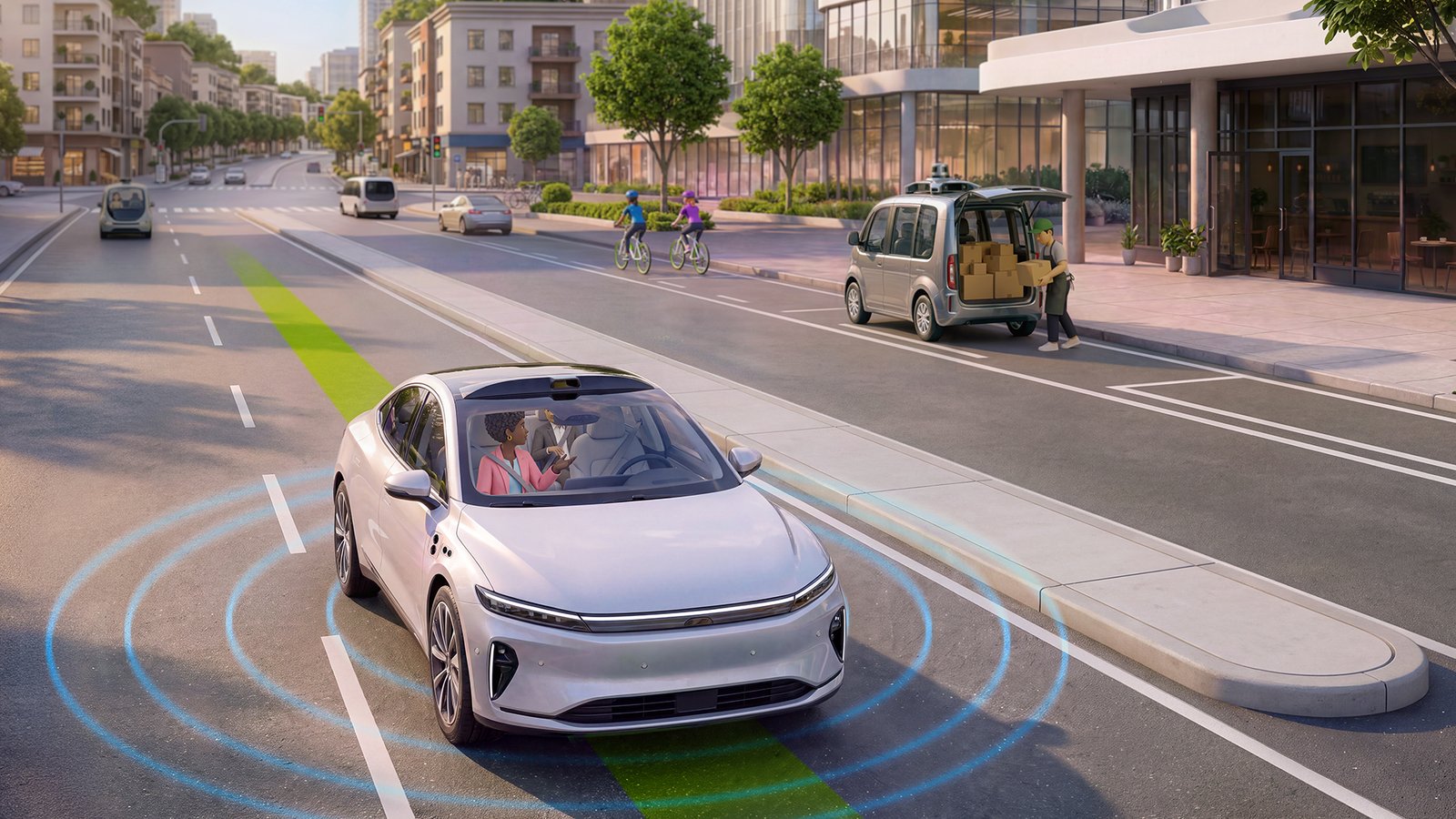
Explore how Nvidia’s unified platform for physical AI is powering the next generation of robotaxis and autonomous vehicle fleets in 2026.
Explore how Nvidia’s unified platform for physical AI is powering the next generation of robotaxis and autonomous vehicle fleets in 2026.

Explore how Salesforce’s autonomous agent systems are revolutioning enterprise workflows by automating complex multi-step tasks and reducing human labor in 2026.

The Ghost in the Machine is Getting a Body For the past two years, the public consciousness has been dominated by the ethereal glow of Large Language…

The Human Firewall: Defending Higher Education Against the AI Takeover In the quiet corridors of academia, a silent revolution has been simmering for…

The Silicon Assembly Line: The Great Automation Paradox Walk into any modern manufacturing hub and you will see the ghost of the industrial revolution…

In the high-octane arena of hero shooters, mystery is often the most potent weapon in a developer’s arsenal. Blizzard Entertainment has mastered the art…

The era of sci-fi dreams where bipedal machines serve drinks and navigate crowded cabins is hitting a very terrestrial roadblock. While Silicon Valley…

In an industry notorious for digital delays and buggy launches, Virgin Atlantic has pulled off a remarkable feat. By implementing an internal system dubbed ‘Codex,’ the airline not only met a non-negotiable holiday travel deadline for its revamped mobile app but also achieved near-total unit test coverage and, astonishingly, zero P1 defects. This isn’t just about a new app; it’s a blueprint for how legacy industries can leverage structured development methodologies to deliver bleeding-edge quality under immense pressure.

The promise of autonomous robots has always been limited by safety. New research from Berkeley Engineering is solving the core problem: moving beyond impressive demos to reliable, trustworthy machines capable of navigating complex human environments.

As healthcare practices increasingly embrace cutting-edge technologies like AI and SMS, the imperative for robust HIPAA compliance has never been more critical. This article dissects the challenges and offers strategic solutions for safeguarding patient data in a rapidly evolving digital landscape, ensuring practices remain compliant and trustworthy through 2026 and beyond.