Decoding the Alphabet Q3 earnings
The tech landscape has shifted from a period of cautious experimentation to an era of full-scale industrial integration. As the dust settles on the Q3 2026 fiscal cycle, Alphabet has emerged not just as a participant in the generative AI race, but as a primary architect of its infrastructure. The latest earnings report reveals a company successfully pivoting its massive legacy engine toward a future where Gemini is no longer an experimental add-on but the core operating system for Google’s ecosystem. This transition is visible in the raw numbers and the strategic narrative shared by leadership.
Growth in this quarter was heavily underpinned by the seamless integration of Gemini across all primary consumer touchpoints. By embedding sophisticated AI models into Search, Workspace, and YouTube, Alphabet has managed to maintain high engagement levels despite shifting user behaviors. This deep integration is driving a new type of recurring value that traditional ad-supported models couldn’t provide alone. Analysts are noting that the synergy between AI-driven features and core products has created a more “sticky” environment for users, effectively insulating the company from some of the volatility seen in previous cycles.
However, this rapid expansion comes with a significant price tag on the bottom line. The massive capital expenditure required to build out the necessary compute power for AI training and inference has put pressure on profit margins. Yet, investors are beginning to see these costs as essential long-term investments rather than mere overhead. By scaling their own infrastructure, Alphabet is positioning itself to survive a high-cost environment where competitors might struggle with rising operational expenses. The trade-off between immediate margin compression and future market dominance is a central theme in the source report regarding the company’s trajectory.
When compared to primary rivals like Microsoft and Meta, Alphabet’s performance in 2026 highlights a unique competitive advantage: vertical integration. While some competitors rely on third-party hardware or software layers, Google’s ability to control the full stack—from custom silicon to the final model layer—provides a buffer against supply chain shocks. This holistic approach has allowed them to maintain a stable market position while others faced fluctuating costs. The Q3 data suggests that Alphabet’s diversified portfolio is creating a more resilient moat in an increasingly crowded and expensive technological landscape.
Google Cloud and Infrastructure Scale
The backbone of this transformation lies within Google Cloud, which has evolved into a powerhouse for enterprise-grade AI tools. In 2026, the platform moved beyond simple storage and compute to offer sophisticated, specialized environments for corporate clients to build their own proprietary models. This shift toward “AI-as-a-service” is driving significant growth in the B2B sector. By providing a secure, scalable environment where companies can experiment with Gemini-powered tools without compromising data privacy, Google Cloud has captured a massive segment of the corporate market seeking reliable AI integration.
A critical component of this success is the advancement in custom silicon for data center efficiency. Alphabet’s investment in proprietary chips has allowed them to optimize power consumption and processing speeds specifically for large language model workloads. These innovations are not just about speed; they are about making high-level AI economically viable at scale. By reducing the reliance on external chip manufacturers, Google can tailor its hardware to the specific demands of their software stack, creating a virtuous cycle of efficiency that significantly lowers the cost per query for global clients.
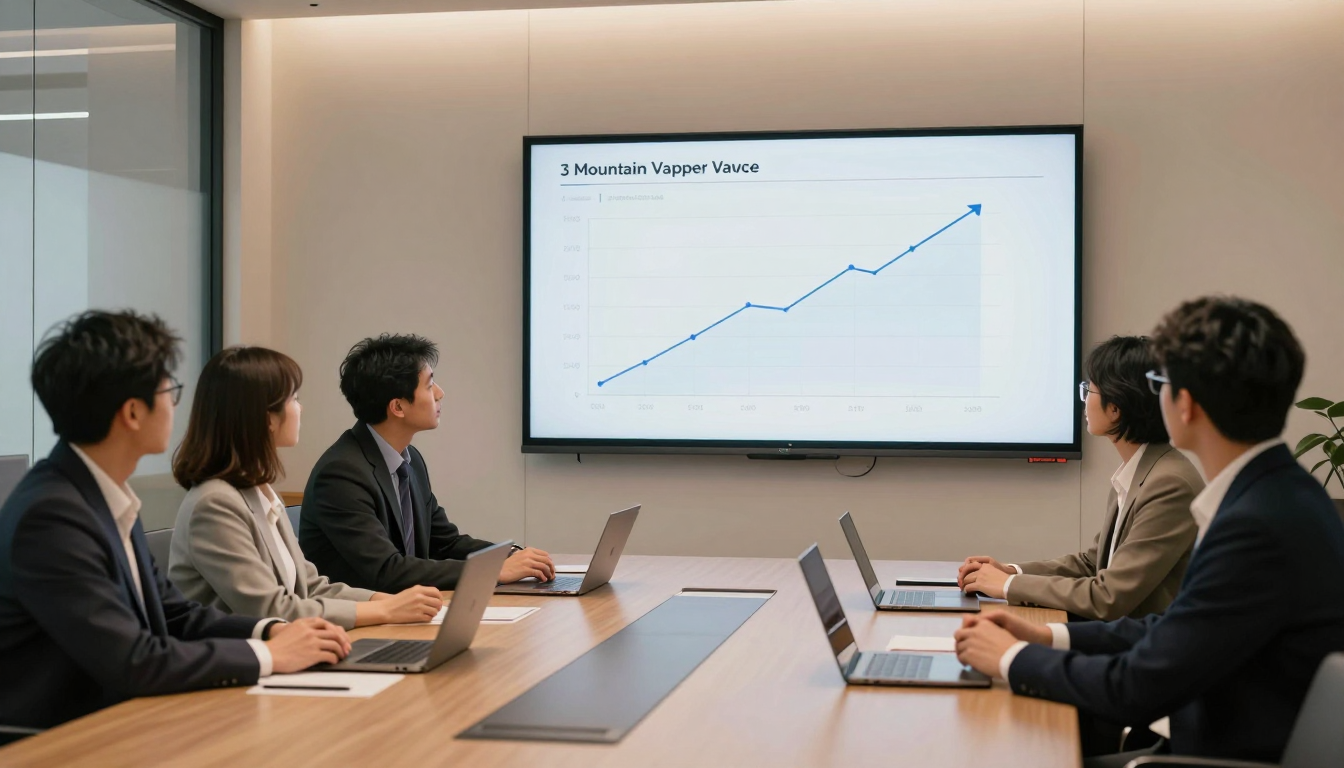
The growth metrics for the Google Cloud Platform in 2016 indicate a sharp upward curve in adoption rates across diverse industries. From healthcare and finance to manufacturing and retail, businesses are increasingly turning to Google’s infrastructure to power their internal automation and customer-facing AI agents. This shift reflects a broader trend where cloud providers are no longer just utility providers but are becoming the primary engines of innovation for the modern enterprise. The 2026 data confirms that the massive investments in physical infrastructure are beginning to pay off in tangible, high-margin service contracts.
Ultimately, the Q3 results underscore a fundamental shift in how tech giants compete. It is no longer just about who has the best model, but who can provide the most reliable and efficient environment for that model to live and grow. By focusing on infrastructure scale and custom hardware, Alphabet is attempting to solve the “scaling problem” that plagues many smaller players. As they continue to refine their silicon and expand their cloud footprint, the company aims to solidify its position as the foundational layer of the AI-driven economy, ensuring long-term stability in a volatile market.
The Evolution of Search in 2026
The most profound transformation revealed in the Q3 data lies in the fundamental architecture of Google Search. By late 2026, the traditional list of blue links has largely been superseded by what internal documents refer to as “Dynamic Synthesis.” Instead of merely indexing the web, Gemini now interprets user intent to construct comprehensive, real-time responses that incorporate live data, visual elements, and interactive widgets. This shift ensures that users stay within the Google ecosystem longer, as the engine provides the final answer rather than just a gateway to other sites.
This transition toward multimodal search marks a significant leap in how information is consumed. Users no longer just type text; they upload images, voice clips, and even live video feeds to query the world around them. For example, a user can point their camera at a broken engine part and receive an immediate, step-by-step repair guide powered by Gemini’s vision capabilities. By integrating these modalities into the core search experience, Alphabet has effectively neutralized the threat of standalone AI chatbots that previously threatened to siphon off high-intent traffic from the main search page.
Furthermore, the rise of “agentic” search behavior represents a pivotal shift in user interaction. In 2026, Google is no longer just answering questions; it is executing tasks. Through integrated “Action Agents,” the search bar can now book flights, coordinate calendar invites, and purchase groceries by interacting with third-party APIs on behalf of the user. This move toward autonomous execution positions Alphabet as a service layer for the internet. It transforms Search from a passive information retriever into an active personal assistant, creating a high-friction barrier for competitors to overcome.
However, this rapid evolution is not without its systemic risks and industry pressures. The shift toward generative answers poses significant challenges for the open web’s monetization model. As Google provides the “final answer” directly on the results page, the click-through rate to independent publishers faces a structural decline. Alphabet is attempting to mitigate this by integrating high-quality content citations more prominently, but the tension between AI-driven convenience and the sustainability of the creator economy remains a central debate in the tech community. The stakes are high, as the very fabric of digital advertising depends on these clicks.
Strategically, Alphabet’s position in 2026 is one of fortified dominance through infrastructure. By owning the custom TPU chips, the proprietary data centers, and the massive distribution network of Android and Chrome, Google has built a moat that is difficult for smaller startups to breach. While competitors may offer more niche AI experiences, they lack the sheer scale required to power a global, real-time, multimodal search engine. The Q3 earnings confirm that while the technology is the spark, it is Alphabet’s massive industrial footprint that provides the sustained flame for their market leadership.
Related Articles
Conclusion
Alphabet’s performance in the third quarter of 2026 signals a definitive era where AI is no longer a speculative project but the backbone of the modern digital economy. By successfully weaving Gemini into every facet of the user experience—from simple queries to complex, multi-step task execution—the company has redefined what it means to be an AI-first organization. They have managed to navigate the transition from a search engine to an intelligent operating system, securing their role as a primary architect of the next decade of computing. As these systems become more invisible and integrated into our daily routines, the line between human intent and machine execution will continue to blur.
For the average user, these changes mean that your interaction with technology will become increasingly proactive rather than reactive. Your phone won’t just wait for you to type a command; it will anticipate your needs based on context, location, and past behavior. While this offers unprecedented convenience and productivity, it also raises profound questions about data privacy and the autonomy of the user experience in an AI-driven world. As we move deeper into 2027, the real test will be whether these advancements enhance human agency or simply make us more dependent on the algorithms that curate our reality. In a world where every search is an interaction with an intelligent agent, how much of your daily decision-making will still be entirely your own?