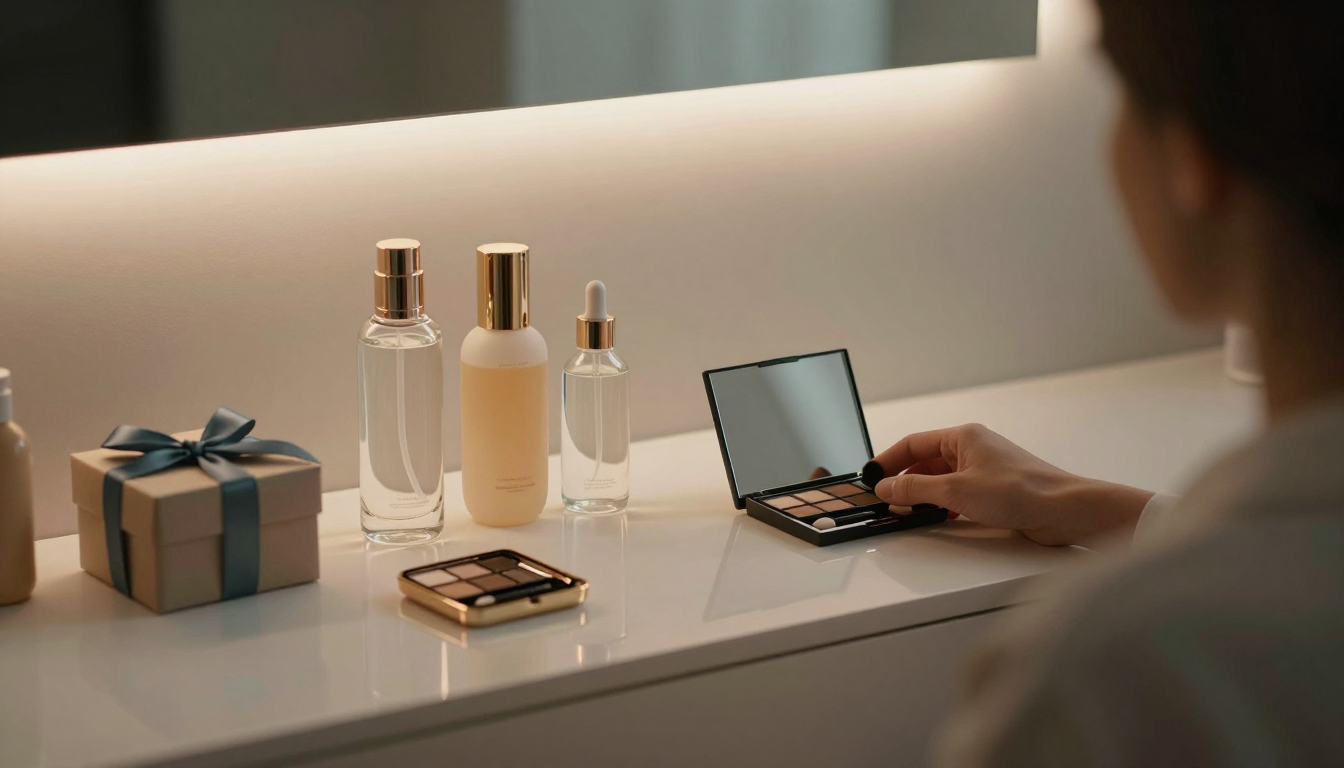
Maximizing the Amazon Beauty Event
The digital storefront of modern beauty has shifted from boutique counters to algorithmic feeds, and for many consumers, Amazon is now the primary destination for high-end vanity staples. As the holiday season intensifies, the platform is launching a significant promotional window aimed at capturing the massive surge in skincare and makeup demand. This isn’t just a standard seasonal sale; it represents a strategic move to consolidate premium brand loyalty within their ecosystem. With discounts reaching up to 30 percent on top-tier products, the event serves as a critical checkpoint for savvy shoppers looking to stock up before the year ends.
The selection of brands participating in this event is no coincidence. Amazon’s curation focuses heavily on high-demand labels that typically maintain premium price points and consistent sell-through rates. By offering significant discounts on these specific names, the platform creates a sense of urgency that drives high conversion rates. For the consumer, it means access to luxuryer formulations at more accessible price points. However, the real power lies in the scale; because these brands are integrated into Amazon’s massive logistics network, the availability of premium skincare becomes much more consistent than traditional retail models can offer during peak periods.
Behind the scenes, the platform’s sophisticated algorithm plays a pivotal role in how these products are surfaced to the user. The system prioritizes top-performing beauty products by analyzing real-time engagement, review velocity, and historical purchase data. When you browse the holiday event page, the items appearing at the top are often those that have historically outperformed their peers in search rankings. This algorithmic curation ensures that high-quality, “hero” products receive maximum visibility. It effectively filters out the noise, guiding the user toward established favorites while simultaneously boosting the visibility of brands that have proven their reliability in the marketplace.
Navigating Flash Deals and Curated Sets
One of the most tactical elements of this promotion is the inclusion of 48-hour rotating flash deals. These are designed to create a “scarcity” loop, forcing shoppers to check back frequently to catch specific high-value items before they vanish from the discounted tier. To win in this environment, timing is everything. These windows are often targeted at high-demand inventory that can be moved quickly during the pre-holiday rush. For the savvy shopper, setting notifications or revisiting the page during these specific windows can result in significant savings on premium products that would otherwise remain at full price throughout the season.
Beyond individual items, the curated holiday gift sets offer a different value proposition designed for high-volume gifting. These bundles are often more cost-effective than purchasing individual components, providing a streamlined way to navigate the overwhelming choices of the holiday season. For those looking to provide premium gifts without the hassle of custom curation, these sets are strategically bundled by the brands themselves. They provide an entry point into luxury lines that might otherwise seem intimidating. By grouping complementary products together, these sets ensure that the consumer receives a complete experience rather than just a single isolated product.
Identifying authentic premium brands amidst a sea of options requires a discerning eye for brand heritage and ingredient transparency. While the source report highlights the extensive scale of the event, users should still cross-reference brand names against established industry reputations. Look for brands that maintain consistent packaging and have a clear presence in both physical and digital spaces. By focusing on these established names during the promotional window, shoppers can ensure they are investing in high-quality formulations while taking full advantage of the significant seasonal discounts offered by the platform.
The Countdown to November 1
As the calendar pivots toward the kickoff of the Amazon Beauty Event, the logistical landscape shifts from mere browsing to tactical execution. For many consumers, the primary risk during these high-traffic windows is the “out of stock” notification that appears just as a deal goes live. Because these premium brands often have limited production runs for promotional periods, demand can overwhelm local fulfillment centers in seconds. To mitigate this, savvy shoppers are moving toward a proactive strategy: building and refining their digital carts weeks in advance. By pre-filling a cart, users can bypass the friction of searching and navigating through filtered results when the clock starts ticking, ensuring they can execute a purchase the moment a price drop is triggered.
The logistics of holiday shipping add another layer of complexity to the 2026 shopping season. With millions of orders moving simultaneously, standard shipping windows often become unpredictable. For those purchasing high-end skincare—products that may contain active ingredients or require specific temperature controls—timing is everything. Amazon’s integration of Prime shipping tiers becomes a critical safety net here. By securing items during the early waves of the event, consumers can ensure their packages are processed in the first wave of holiday fulfillment, avoiding the inevitable bottlenecks that occur when regional hubs become overwhelmed by late-November volume.
The psychological impact of limited-time offers on consumer behavior cannot be overstated. Amazon’s interface is designed to create a sense of urgency through countdown timers and “limited quantity” badges. This tactic isn’t just about moving inventory; it reflects a broader shift in how luxury brands interact with the mass market. By participating in these time-bound events, premium labels are willing to trade a margin of exclusivity for a massive surge in volume. For the consumer, this creates a high-stakes environment where the “fear of missing out” (FOMO) drives rapid decision-making. Navigating this requires a disciplined approach: knowing exactly which products are non-negotiable and sticking to a predetermined list rather than falling prey to impulse buys triggered by aggressive marketing tactics.
Beyond the individual transaction, these events represent a significant milestone in the retail tech landscape. The ability of an algorithm to predict which luxury items will move the needle allows Amazon to curate a “premium” experience that mimics a physical boutique while maintaining the scale of a global marketplace. This synthesis of high-end branding and logistical powerhouse technology is what makes the 2026 event so pivotal. It proves that the future of beauty isn’t just about the chemistry of the serums or the pigments in the palettes; it is about the seamless integration of those products into a frictionless, data-driven purchasing ecosystem that rewards the prepared and rewards the tech-savvy.
Related Articles
Conclusion
The Amazon Beauty Event serves as a masterclass in how modern retail leverages platform scale to democratize access to luxury goods. By focusing on key dates and offering significant discounts on high-demand staples, the event provides a strategic window for consumers to build a robust skincare foundation for 2026. Essential items such as vitamin C serums, hyaluronic acid boosters, and SPF protectors remain the cornerstone of any effective routine, and securing these during promotional windows is a savvy financial move. As we head into the new year, your routine should be defined by consistency and quality, bolstered by the products you strategically acquired during this peak period. In an era where the line between luxury and accessibility continues to blur, how will you choose to balance your desire for premium exclusivity with the convenience of algorithmic curation?