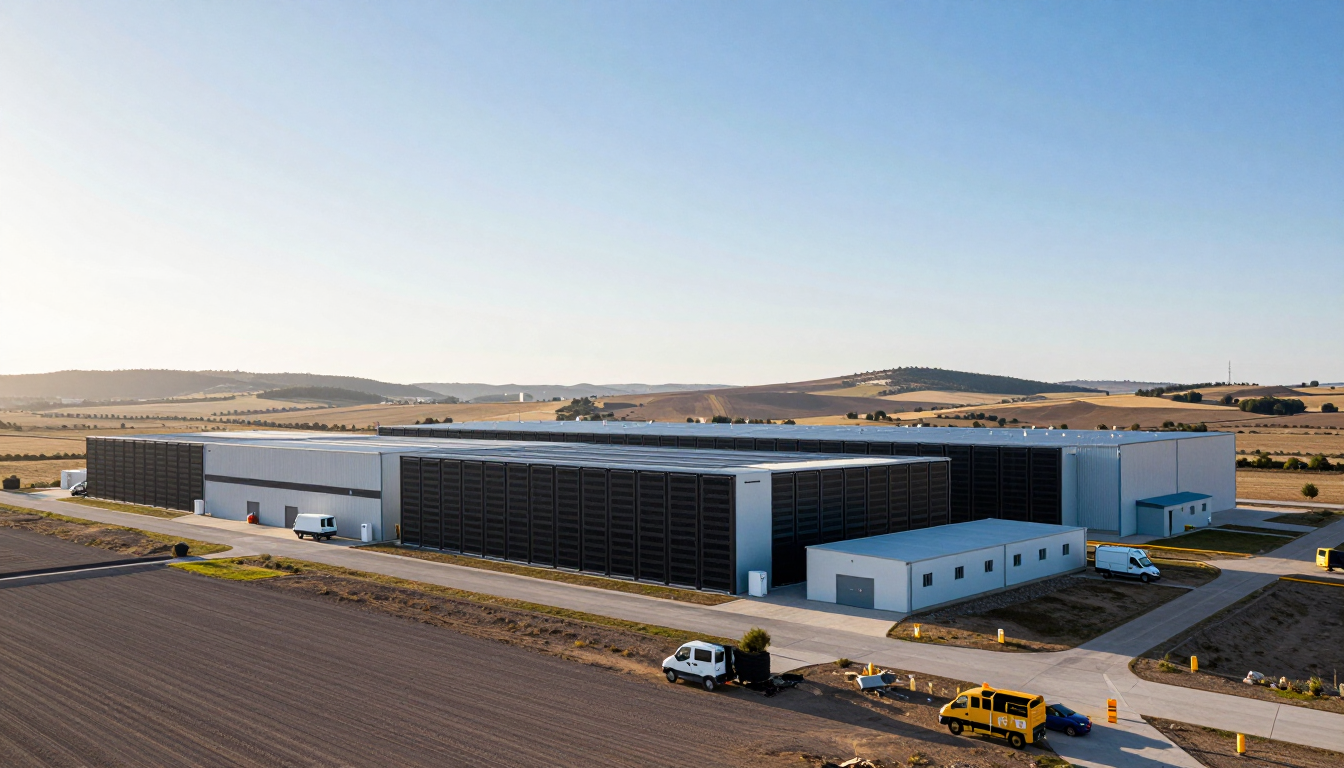
The Expansion of Amazon Data Centers in Spain
In the quiet corridors of northeastern Spain, the hum of high-capacity servers is doing more than just processing packets; it is rewiring the local economic DNA. As the digital economy becomes the backbone of modern commerce, the physical infrastructure supporting it has moved from a backend necessity to a front-facing engine of regional growth. A recent independent study highlights how Amazon Web Services (AWS) is fundamentally reshaping the landscape of the Iberian Peninsula through massive infrastructure investments.
The strategic selection of northeastern Spain as a hub for cloud expansion was not a matter of chance but a calculated move to capture a critical node in Europe’s digital corridor. By establishing massive data centers in this region, AWS provides the high-speed, low-latency backbone required for modern enterprises to scale rapidly. These facilities serve as the foundational layer for everything from local startups to multinational corporations seeking a reliable foothold in the Mediterranean market.
The technical scale of these regional data centers is staggering, designed to meet the rigorous demands of 2026’s technological landscape. These sites aren’t just warehouses for servers; they are sophisticated hubs engineered for high availability and massive throughput. By housing thousands of servers in a centralized location, AWS enables local businesses to access cutting-edge technologies like machine learning and advanced analytics without the need to build their own prohibitive physical infrastructure.
According to a recent source report, these investments are creating a ripple effect that extends far beyond the data center walls. The expansion is providing the necessary “digital plumbing” for the entire region. By establishing a robust cloud presence, Amazon is effectively lowering the barrier to entry for any local company looking to digitize their operations or expand their reach into international markets via the cloud.
Economic Transformation in the Northeast
The transformation of the northeastern economy is rooted in how this infrastructure acts as a catalyst for traditional and emerging industries alike. When a region gains access to world-class cloud infrastructure, it becomes an attractive destination for tech investment. Local manufacturing firms can adopt “smart” technologies, while regional logistics companies can optimize their routes using real-time data processing. This shift creates a fertile ground where old-world industry meets new-age digital efficiency, sparking a wave of modernization across the province.
One of the most significant impacts is the revitalization of rural and semi-urban areas that were previously overlooked by major tech investors. By placing large-scale infrastructure in these zones, AWS helps create high-tech jobs and improves local connectivity. This decentralization of opportunity means that talent no longer has to migrate to major capitals to find meaningful roles in the tech sector. Instead, a new ecosystem is emerging where remote work and localized tech hubs provide stable career paths for the local workforce.
Case studies from the region highlight how local businesses are already leveraging these AWS services to scale their operations at unprecedented speeds. A local retail chain, for example, might use cloud tools to manage inventory across multiple locations, while a small boutique tourism agency could use AI-driven tools to reach international travelers. These success stories demonstrate that the infrastructure isn’t just a corporate win for Amazon; it is a practical tool for local entrepreneurs to compete on a global stage and build sustainable growth for their communities.
As these businesses grow, they create a secondary wave of economic activity, ranging from specialized IT consulting roles to local service contracts. The presence of a major tech player like AWS provides a “halo effect,” signaling to other investors that the region is technologically viable. This influx of capital and interest fosters a more diverse economy where innovation becomes a staple rather than an exception. By providing the infrastructure today, these investments are securing the economic stability of northeastern Spain for the decade ahead.
Job Creation and Local Opportunity
The most immediate and visible impact of these massive infrastructure investments is the surge in high-quality employment. Beyond the sheer scale of the physical facilities, Amazon’s presence creates a multi-layered job market. Directly, the data centers require a specialized workforce to manage power systems, cooling infrastructure, and hardware maintenance. These are not just entry-level roles; they demand technicians who can navigate complex industrial environments. By establishing these hubs in northeastern Spain, AWS is injecting high-wage positions into the local economy, providing stable careers for engineers and specialists who might otherwise have to migrate to larger European capitals like Paris or Berlin to find comparable opportunities.
However, the true economic multiplier effect lies in the indirect job growth within the surrounding tech ecosystem. The presence of a world-class cloud backbone acts as a magnet for secondary businesses. Local startups, logistics firms, and software development houses are increasingly choosing these regions because they can offer their clients the same low-latency performance that Amazon provides. This creates a “cluster effect” similar to what was seen in Silicon Valley or Dublin. As local companies scale up their digital capabilities, they require local consultants, cybersecurity experts, and marketing firms, effectively building an entire service economy around the core infrastructure of the data centers.
Perhaps the most significant long-term benefit is the massive opportunity for upskilling the Spanish workforce. To support a sophisticated cloud environment, there is a growing demand for certifications in cloud architecture and specialized networking. Amazon’s presence necessitates a pipeline of skilled labor, which often leads to partnerships with local technical universities and vocational schools. These collaborations ensure that the next generation of Spanish tech workers is trained on cutting-edge systems. By integrating these programs, the region isn’t just hosting servers; it is cultivating a workforce capable of competing on a global stage, turning a regional infrastructure project into a long-term engine for human capital development.
There are, however, nuanced risks and challenges inherent in this rapid expansion. The sheer demand for electricity and water to cool these massive server farms can put pressure on local resources if not managed sustainably. Additionally, the “brain drain” risk must be balanced against the “talent magnet” opportunity; while the region gains high-paying jobs, it must ensure that the local community isn’t merely a satellite for global giants but rather a place where homegrown innovation can flourish independently. The goal is to move from being a host of infrastructure to a creator of original technology, ensuring that the economic benefits are distributed across the entire regional tapestry.
Related Articles
Conclusion
The transformation of northeastern Spain serves as a blueprint for how physical infrastructure can catalyze regional prosperity in the 21st century. By providing the backbone for the digital economy, Amazon’s investments do more than just power websites; they create a fertile ground for innovation, employment, and education. As the Iberian Peninsula solidifies its position as a critical node in Europe’s digital corridor, the ripple effects will be felt across sectors from manufacturing to retail. The integration of high-capacity data centers into the local fabric demonstrates that the future of regional growth is inextricably linked to the physical reality of the cloud.
Looking ahead, Spain is poised to become a primary European tech hub, leveraging its geographic position and modernized infrastructure to host the next generation of digital services. This evolution highlights a broader global trend where infrastructure is no longer just a utility, but a foundational element of economic sovereignty. As cities and regions compete to become the hubs of tomorrow, the success of the Spanish model will be closely watched by other nations seeking to modernize their economies through digital integration. The transition from traditional industry to a cloud-centric economy is well underway, and Spain’s proactive embrace of this shift positions it as a leader in the coming decade.
As we witness this evolution, it becomes clear that the infrastructure of the future is not just about bits and bytes, but about the communities that thrive around them. The synergy between global tech giants and local economic needs creates a complex but promising dynamic for regional development. As these data centers continue to hum in the quiet corridors of Spain, they signal a new era where the digital and physical worlds are perfectly aligned. Given these rapid developments in infrastructure-led growth, how do you see cloud infrastructure shaping the local economies and job markets in your own region?