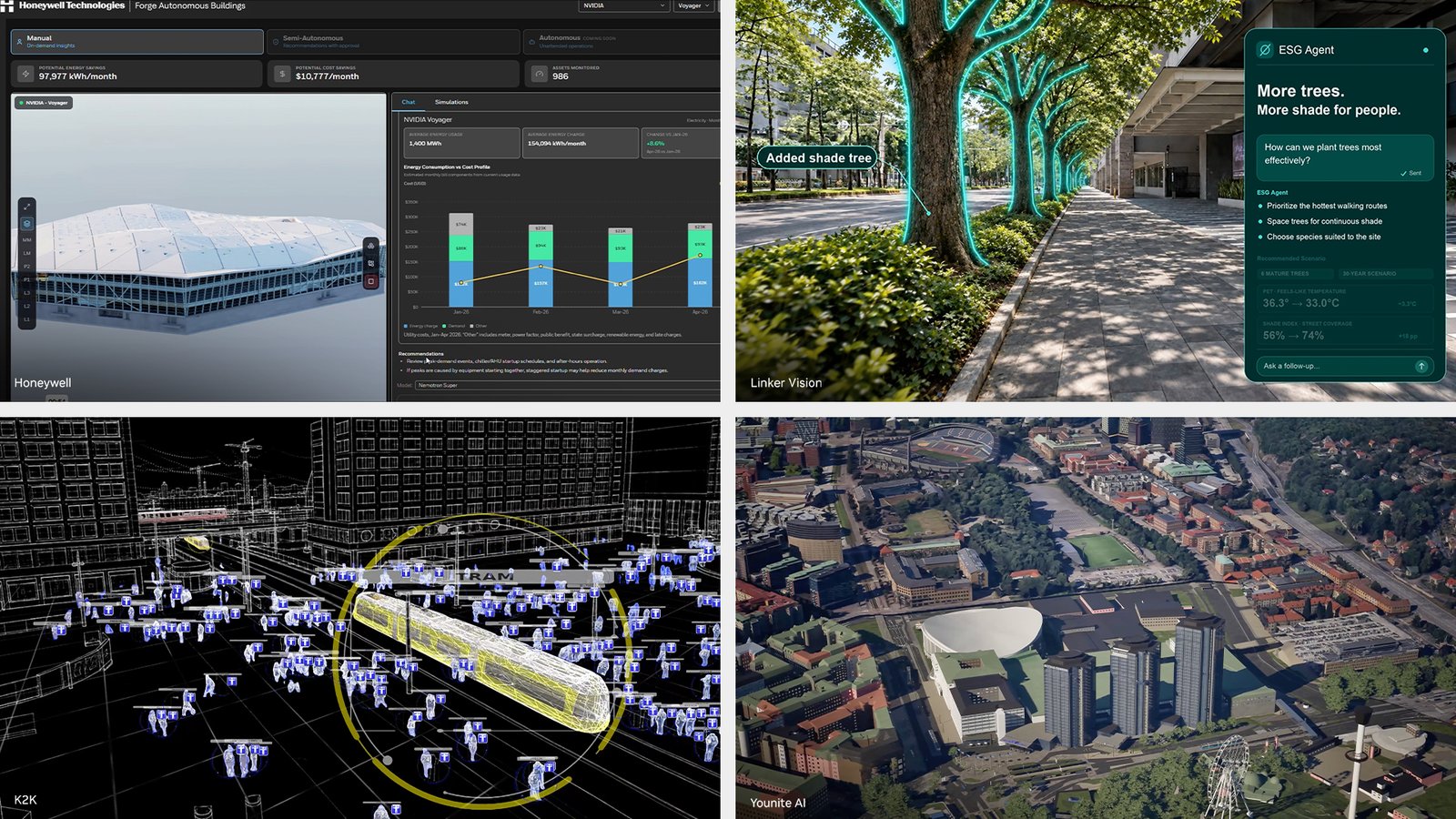
The Rise of NVIDIA Smart City AI
Modern cities are no longer just collections of buildings and roads; they are massive, breathing organisms generating petabytes of data every second. For years, urban management was a game of reaction—fixing a burst pipe after it flooded a street or rerouting traffic only after a jam had paralyzed a district. However, a fundamental shift is occurring across the EMEA region as municipalities move toward proactive governance. By leveraging NVIDIA-accelered computing, city planners are moving beyond simple data collection to real-time intelligence, where machine learning models can predict bottlenecks before they manifest in the physical world.
At the heart of this transformation is the deployment of autonomous AI agents capable of processing complex urban variables simultaneously. These agents do not just sit in a dashboard; they act as the connective tissue between disparate systems like waste management, public safety, and transit logs. By utilizing high-performance computing architectures, these systems can ingest massive streams of information—from IoT sensors and camera feeds to environmental monitors—to provide actionable insights. This shift allows city officials to transition from being “firefighters” of urban issues to architects of seamless, automated experiences for their residents.
The integration of these technologies is not happening in a vacuum. It is the result of a deep collaboration between local governments and infrastructure partners who recognize that the scale of modern urbanization exceeds human cognitive capacity alone. By utilizing specialized hardware, cities can deploy sophisticated models that analyze patterns in energy consumption or traffic flow with unprecedented speed. This computational backbone allows for “smart” decisions to be made in milliseconds, ensuring that the city functions as a cohesive unit rather than a collection of siloed departments, ultimately improving the daily lives of millions of citizens.
Digital Twins and Infrastructure Management
The most tangible manifestation of this technology is the “digital twin”—a high-fidelity virtual replica of physical infrastructure. Unlike a simple 3D map, these twins are dynamic models that mirror real-world conditions in real-time. For instance, a digital twin of a city’s power grid can simulate how a heatwave will impact electricity demand or how a localized failure might cascade through the system. By testing scenarios in a virtual environment first, engineers can optimize energy distribution and prevent blackouts before they occur, making the urban grid significantly more resilient to environmental stressors.
Beyond energy, digital twins are revolutionizing how public transportation and road networks are maintained. Instead of waiting for a pothole to become a hazard or a bridge to show signs of structural fatigue, predictive maintenance algorithms can flag areas requiring attention based on sensor data and historical wear patterns. This proactive approach saves millions in emergency repair costs and reduces traffic disruptions. By simulating various transit routes and pedestrian flows, planners can optimize public transport schedules dynamically, ensuring that the city moves efficiently even during peak hours or special events, creating a more fluid urban experience.
The scale of this ambition is reflected in the growing adoption of these technologies across Europe to modernize aging infrastructure. By leveraging advanced computing, cities are building a foundation where every street light, water pipe, and bus route is part of an intelligent ecosystem. As detailed in this source report, the fusion of AI agents and digital twins is turning urban planning into a data-driven science. This technological leap ensures that as cities grow more dense and complex, the systems managing them become smarter, safer, and more responsive to the needs of the people living within them.
Collaborative Ecosystems in EMEA
The transition from pilot projects to city-wide infrastructure is not happening in a vacuum; it is being fueled by deep, collaborative ecosystems across the EMEA region. Municipalities are moving away from “black box” proprietary systems toward open, interoperable platforms where local governments and tech providers work in tandem. These partnerships ensure that while NVIDIA provides the heavy-lifting compute power through its GPU architecture, local engineers can layer specific regional requirements—such as unique European zoning laws or specific Mediterranean traffic patterns—onto the foundational models. This collaborative approach ensures that technology serves the public interest rather than just being a showcase of raw processing power.
Scaling these operations requires integrated software layers that can synthesize disparate data streams into a single, cohesive operational picture. Instead of isolated silos where waste management, public transit, and emergency services operate on different platforms, NVIDIA-accelerated systems allow for a unified “urban operating system.” By 2026, we expect to see more cities adopting these integrated layers to automate routine administrative tasks. When data flows seamlessly between departments, the city can react as a single organism. This integration reduces human error and allows municipal workers to focus on high-level decision-making rather than manual data entry or reactive troubleshooting.
One of the most critical drivers for this adoption is the push toward sustainability and carbon reduction. In the EMEA region, aggressive net-zero targets are forcing cities to find innovative ways to optimize energy consumption. NVIDIA’s digital twins allow planners to simulate the impact of new green zones or public transit expansions before a single brick is laid. By running thousands of simulations, city planners can identify the most efficient routes for electric buses or determine where solar arrays would yield the highest energy output based on seasonal shadows. This predictive capability transforms environmental policy from a guessing game into a precise engineering discipline, significantly accelerating the path to carbon neutrality.
However, this rapid integration brings significant stakes regarding data privacy and cybersecurity. As cities become more interconnected through AI agents, the surface area for potential cyberattacks expands. The challenge for 2026 lies in creating “secure by design” urban architectures where personal data is anonymized at the edge before it ever hits the central twin. The opportunity here is massive: if cities can solve the privacy puzzle, they can create a safer environment for citizens while maximizing the utility of their data. The stakes are high because a breach in a smart city’s core infrastructure isn’t just a data leak; it could potentially disrupt critical services like water, power, and emergency response.
Related Articles
Conclusion
NVIDIA is not just providing chips; it is providing the foundational architecture for the next generation of urban living. By 2026, the “Digital Twin” will move from a high-tech novelty to an invisible backbone of metropolitan life. Citizens will experience this through smoother commutes, cleaner air, and more responsive public services that seem to anticipate their needs before they are even voiced. The shift toward proactive governance powered by AI-accelerated computing represents a fundamental pivot in how we conceive of the city as a service. As these systems mature, the boundary between the physical and digital realms will blur, creating urban environments that are more resilient, efficient, and responsive to the complexities of human life.
As we look toward 2026, the success of these initiatives will ultimately be measured by their impact on the human experience. A city that functions seamlessly is one where the friction of modern life—traffic delays, inefficient waste management, and poorly timed public transit—simply disappears into the background. While the technological hurdles are significant, the potential to create more livable, sustainable, and safer environments makes this transition inevitable. The question remains: as our cities become increasingly governed by invisible algorithms and digital twins, how will we ensure that the human element of urban life remains at the heart of these high-tech designs?