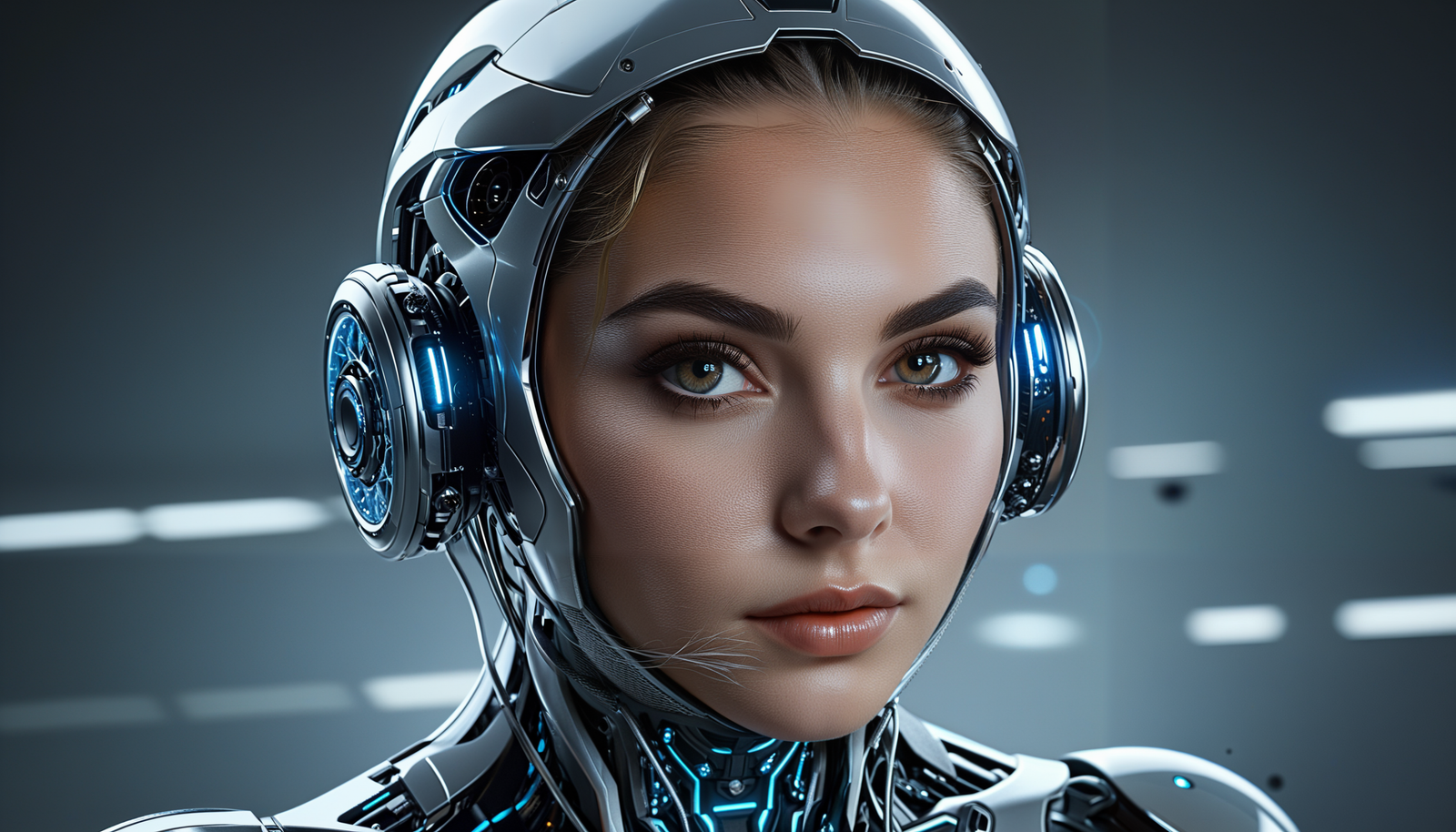
The era of sci-fi dreams where bipedal machines serve drinks and navigate crowded cabins is hitting a very terrestrial roadblock. While Silicon Valley giants are racing to perfect humanoid robots for manufacturing and logistics, the aviation industry is drawing a hard line in the sand. Southwest Airlines has officially updated its policies to ban humanoid robots from flying as passengers, a move that signals a growing tension between rapid technological deployment and the uncompromising safety protocols of commercial aviation.
The Friction Between Innovation and Regulation
This isn’t just about a single airline making a quirky rule; it reflects a broader systemic hesitation toward autonomous entities in high-stakes environments. Aviation is one of the most heavily regulated sectors in the world, where every gram of weight and every moving part must be accounted for by federal authorities. When you introduce an autonomous humanoid—a machine that mimics human movement but lacks the predictable mechanics of standard luggage—the regulatory framework becomes incredibly murky. Southwest’s decision highlights how difficult it is to integrate “experimental” robotics into legacy infrastructure designed for humans.
The core issue lies in the distinction between a tool and an entity. While a drone or an automated baggage system is viewed as a machine with a specific function, a humanoid robot occupies a gray zone. These machines are designed to interact with people and navigate complex 3D spaces autonomously. In the cabin of a commercial jet, such autonomy presents a massive liability risk. If a robot malfunctions or behaves unpredictably in a confined space, it poses a physical threat to passengers and crew. By banning these specific types of robots, Southwest is effectively pushing back against the “move fast and break things” ethos of modern tech startups.
For many tech enthusiasts, this ban might seem like a step backward, but for aviation experts, it is a necessary safeguard. The source report indicates that the policy specifically targets humanoid forms, which are often equipped with complex sensors and motors that do not currently meet aviation safety standards for passenger transport. The industry is not anti-robot; it is anti-unpredictability. Until a robot can be certified as a “standardized” piece of equipment, its presence in the cabin remains a non-starter for major carriers.
The rapid advancement of generative AI and robotics has created a scenario where tech companies are eager to showcase their products in public spaces to gain social acceptance. However, the aviation industry operates on a “fail-safe” model where failure is not an option. While a malfunctioning robot in a warehouse might cause a production delay, a malfunctioning humanoid in a pressurized cabin at 30,000 feet could be catastrophic. Southwest’s proactive stance serves as a warning to developers that the path to integration into public transit and travel will require rigorous certification and a much slower pace of adoption than the tech sector typically prefers.
Looking ahead, this policy sets a precedent for how other airlines might handle the influx of humanoid technology. It creates a “no-go” zone for companies hoping to use aviation as a showroom for their latest robotic breakthroughs. Instead of a seamless transition into a future where robots are common travel companions, we are entering a period of strict categorization. The industry is demanding that if a robot wants to fly, it must first prove it can behave exactly like the luggage and equipment that have been permitted in cabins for decades, without any of the unpredictable variables associated with humanoid forms.
The Weight of Liability in the Clouds
Beyond the immediate safety concerns lies a labyrinthine legal nightmare that keeps aviation lawyers awake at night. If a humanoid robot malfunctions in a pressurized cabin, the question of liability becomes murky. Is the manufacturer responsible for a mechanical failure, or is the airline liable for allowing an uncertified entity into the airspace? Current regulations are designed for biological passengers who can be held accountable under standard legal frameworks. A machine, however, exists in a gray zone of corporate liability that current aviation law is simply not equipped to navigate. Until a clear legal precedent is established for non-human entities in flight, the risk profile remains too high for any major carrier to gamble on.
Furthermore, the physical constraints of aircraft design create an immediate barrier to entry. Every inch of cabin space and every gram of weight is calculated to maximize fuel efficiency and structural integrity. A humanoid robot, regardless of how sleek its chassis might be, requires significant power sources and heavy internal components to move with human-like fluidity. These components generate heat and vibration, both of which are strictly regulated in aviation environments. Integrating these machines into the current fleet would require a massive overhaul of interior designs and fire-suppression systems. For an airline to accommodate robots today, they would have to redesign their planes from the ground up, a capital expenditure that is currently unjustifiable.
The Human Element and Passenger Psychology
There is also the intangible factor of the passenger experience. Aviation isn’t just about transportation; it is about the psychology of travel. Crowded cabins are already high-stress environments where passengers seek comfort and predictability. Introducing a heavy, motorized machine that moves autonomously through the aisles could trigger significant anxiety among travelers. While some might see it as a futuristic novelty, others may view it as an unpredictable hazard in a confined space. Airlines must prioritize the “passenger experience” above all else. If a robot causes even a minor disruption or creates a sense of unease, the brand damage to an airline’s reputation could be far more costly than the efficiency gains offered by robotic service.
However, this friction doesn’t mean the technology is a dead end; it simply means the theater of deployment must change. While humanoid robots may be banned from the passenger cabin, they are finding a different home in the logistics chain behind the scenes. Ground handling, baggage sorting, and cargo loading are areas where automation can thrive without the same level of public scrutiny or stringent passenger-facing regulations. The “humanoid” form factor might be less useful for moving suitcases on a tarmac, but the underlying AI and robotics are still revolutionary. The industry is pivoting toward where the technology can provide maximum utility with minimum regulatory friction, moving the robots from the front of the plane to the back of the warehouse.
The Road Ahead for Autonomous Systems
The ultimate goal for these tech giants isn’t necessarily to have a robot serve you a ginger ale at 30,000 feet; it is to create a seamless, automated infrastructure. We are moving toward a world where the “human” element of logistics is increasingly invisible. The tension between Southwest and the robotics pioneers highlights the growing pains of an era where innovation often outpaces policy. As we watch these two industries collide, we see the birth of new standards for how autonomous machines interact with human spaces. The transition will be slow, deliberate, and governed by the cautious pace of aviation safety, but the momentum toward automation remains unstoppable.
Ultimately, the ban on humanoid robots in cabins serves as a necessary speed bump, forcing developers to refine their tech for specific industrial use cases rather than general-purpose roles. It forces a conversation about what we truly want from technology: is it a novelty that mimics human presence, or a tool that solves a logistical bottleneck? As the dust settles on this particular debate, the winners will be those who can navigate the complex intersection of engineering, law, and public perception. While your next flight won’t feature a robot butler, the invisible systems powering your journey are becoming more automated every day. If we eventually move past these regulations, will we find that we prefer the efficiency of machines or the comfort of human interaction?