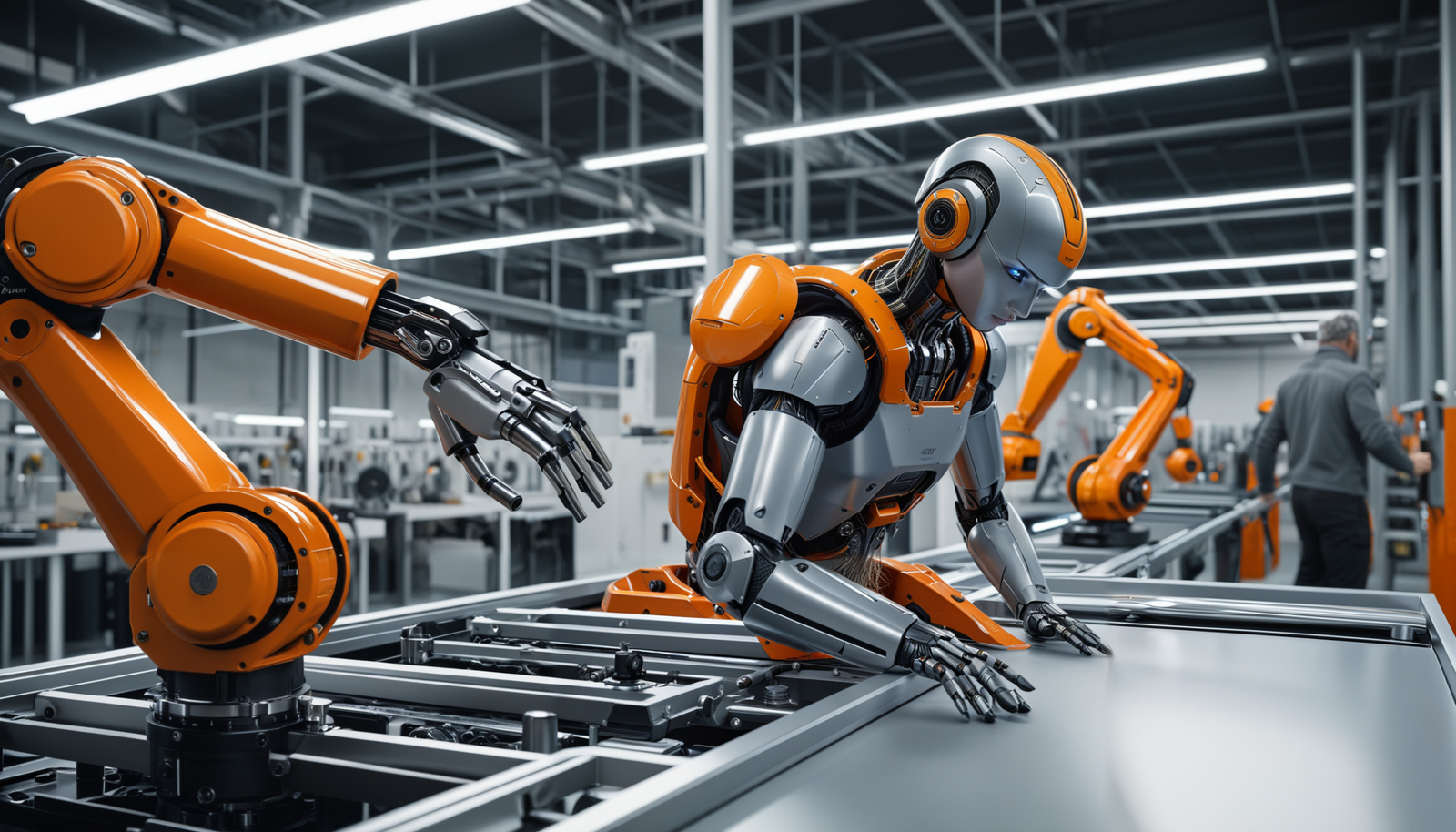
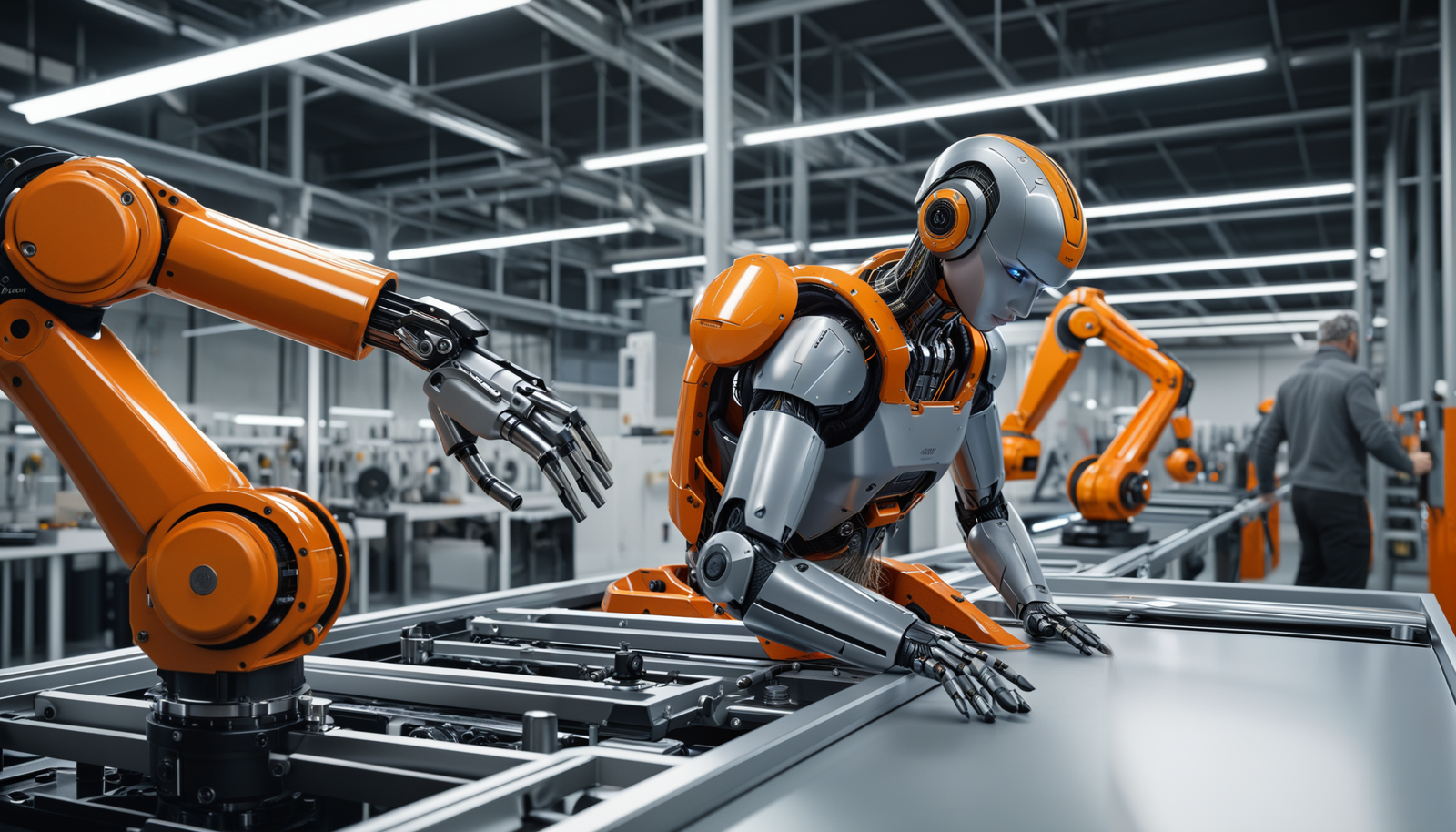
The sleek, bipedal forms of humanoid robots have captured the imagination of technologists and industrialists alike, promising a future where versatile machines seamlessly integrate into human-centric workspaces. From viral videos of parkour-performing bots to ambitious factory floor demonstrations, the narrative is clear: industrial humanoid robots are poised to redefine automation. But as we hurtle towards 2026, it’s time to ground these lofty aspirations in the gritty reality of manufacturing. What truly matters when evaluating the role of humanoids in an industry obsessed with efficiency, cost-effectiveness, and proven ROI? The answer, as always, is more complex than the headlines suggest.
Industrial Humanoid Robots: Bridging Potential and Practicality
Humanoid robots, by their very design, aim to mimic human form and, often, human motion. This fundamental difference sets them apart from traditional industrial robots, which are typically optimized for specific, repetitive tasks within a fixed operational envelope. The allure of humanoids lies in their potential versatility – their ability to navigate and interact with environments designed for humans, perform complex assembly, or even handle tools intended for human hands. This opens up a tantalizing prospect: automating tasks previously deemed too intricate or unstructured for conventional robotic solutions.
However, this expansive potential comes tethered to significant challenges. The capital expenditure for developing and deploying these advanced machines remains substantially higher than for specialized automation. The sheer complexity of programming them to adapt to dynamic, unpredictable industrial environments, coupled with the paramount concern of safe human-robot collaboration, presents formidable hurdles. For humanoid robots to genuinely become indispensable on factory floors by 2026, developers must not only overcome these technical obstacles but also prove their economic viability.
The Unforgiving Landscape of Modern Manufacturing
Efficiency and Cost: The Unwavering Imperatives
In the high-stakes world of manufacturing, efficiency and cost are not merely metrics; they are existential priorities. Businesses demand automation solutions that offer a clear, rapid return on investment. Traditional industrial robots have earned their stripes over decades, demonstrating unparalleled precision, speed, and reliability in repetitive tasks. They are purpose-built to optimize throughput, minimize errors, and ultimately drive down operational costs while boosting profitability.
Humanoid robots, while offering greater flexibility, typically come with a higher initial price tag and may not yet match the sheer efficiency of their specialized counterparts for specific, high-volume tasks. This creates a significant economic question mark over their widespread adoption in large-scale industrial applications, where every dollar of investment is meticulously scrutinized. Manufacturers require compelling evidence of superior benefits from humanoids to justify the substantial outlay.
Agility and Adaptability: A Double-Edged Sword
One of the most touted advantages of humanoid robots is their inherent agility and adaptability. Their ability to move through, manipulate, and interact with tools and infrastructure designed for humans suggests they could be integrated into existing factories with minimal overhauls. This is particularly appealing for companies looking to incrementally upgrade their production processes without massive, disruptive reconfigurations.
Yet, this adaptability is intrinsically linked to complexity. Programming and controlling a humanoid robot to perform intricate tasks reliably in a dynamic environment demands cutting-edge AI, sophisticated sensor fusion, and robust control systems. While companies like Boston Dynamics and Agility Robotics are pushing the boundaries of locomotion and manipulation, achieving the necessary levels of autonomy and reliability for industrial applications remains a monumental engineering challenge. Integrating these impressive platforms into real-world production lines requires time, extensive refinement, and rigorous validation.
The Trajectory of Humanoids in Production by 2026
Niche Applications and Value-Added Roles
Rather than outright replacing existing industrial robots, humanoids are more likely to carve out their niche in applications where their human-like flexibility and interaction capabilities offer distinct value. This could include tasks requiring high dexterity, operating in environments hazardous to humans, or assisting human workers with repetitive but nuanced tasks. In logistics, for instance, humanoids could aid in complex inventory management or parcel sorting where item variability is high.
By 2026, we anticipate an increase in pilot projects and targeted deployments of humanoid robots in specific industries where their benefits demonstrably outweigh the investment. Sectors such as automotive, electronics, and healthcare, with their demands for precision and complex assembly, could be early adopters. The concurrent development of more user-friendly software platforms and programming interfaces will also be crucial in accelerating humanoid adoption.
The Imperative of Human-Robot Collaboration
A pivotal aspect of the humanoid future is not replacement, but collaboration. Rather than viewing humanoids as job threats, they should be seen as force multipliers, enhancing productivity and worker safety. Humanoids can shoulder the burden of strenuous, dangerous, or monotonous tasks, freeing human workers to focus on roles requiring cognitive skills, creativity, and problem-solving. As highlighted by ARC Advisory Group, intelligent integration and seamless interaction are key to unlocking their true value.
Advancements in safety standards and sophisticated sensor technology will enable humanoids to operate more securely alongside humans. This will foster more flexible factory layouts where robots and people can work in concert, leveraging the strengths of both. The ultimate success of industrial humanoid robots by 2026 hinges not just on their technical prowess, but on their ability to integrate harmoniously and safely into the existing human workforce, creating a symbiotic relationship that drives unprecedented levels of productivity and innovation.
Conclusion
The journey of industrial humanoid robots from research labs to factory floors is accelerating, promising a transformative impact on manufacturing. However, for them to make a significant dent by 2026, they must prove their economic viability, demonstrate robust adaptability, and, crucially, establish safe and effective collaboration with human workers in the demanding crucible of real-world industrial environments. The question isn’t if humanoids will arrive, but how effectively they’ll integrate. Are you ready for a future where these bipedal machines are an indispensable part of our production lines?