AI Service Robots: How Gen AI is Reshaping Services in 2026
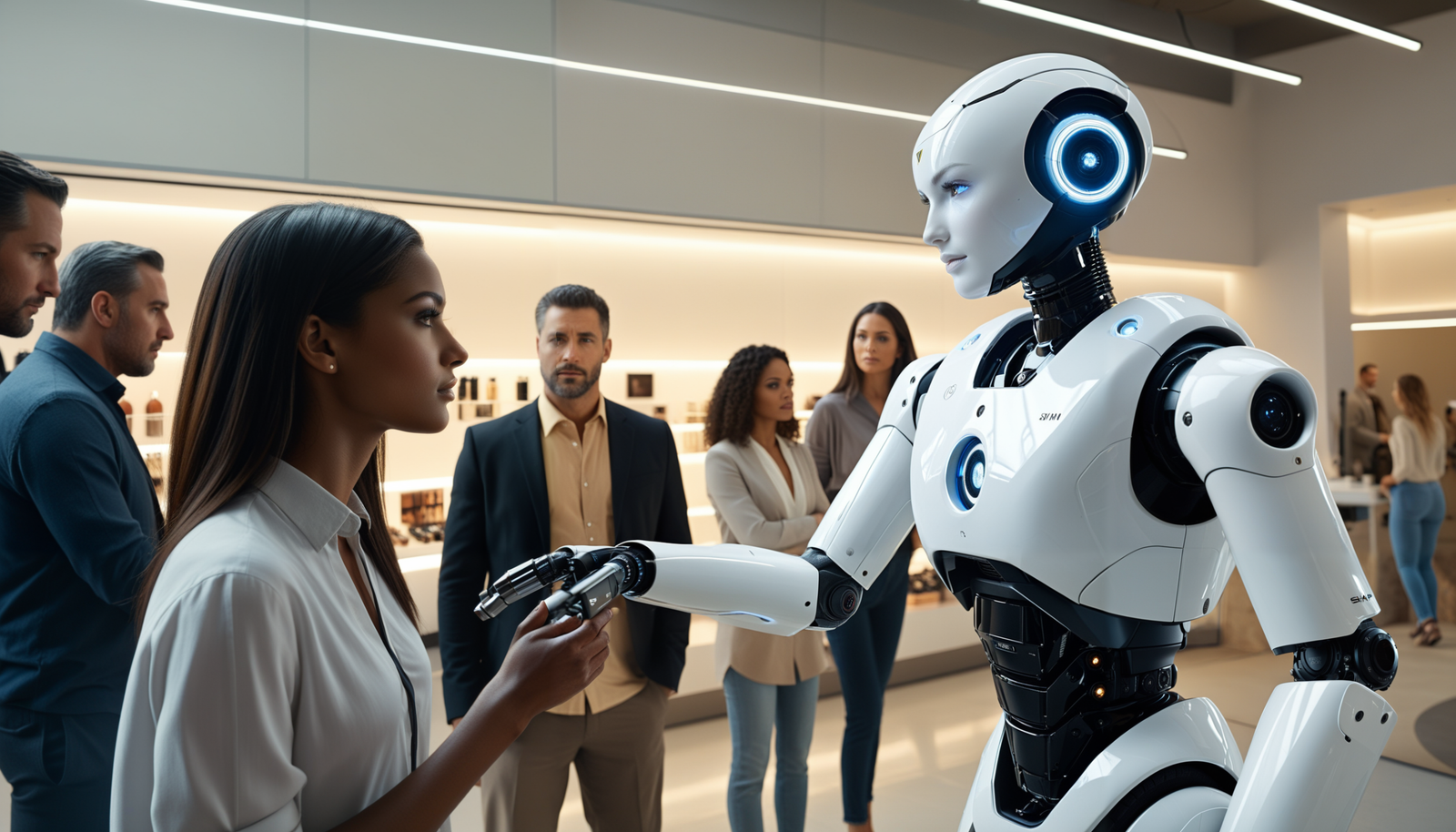
Explore how generative AI robots are transforming service industries from healthcare to hospitality, fundamentally changing the workforce and business models by 2026.
 Liam Kessler
Explore how generative AI robots are transforming service industries from healthcare to hospitality, fundamentally changing the workforce and business models by 2026.

A significant shift is underway in enterprise technology: organizations are increasingly funneling investments into Artificial Intelligence (AI) over traditional data infrastructure. This strategic pivot signals AI’s evolution from a supplementary tool to a core business driver, promising unprecedented advancements but also introducing complex challenges.

As AI tools monitor workplace mood, we examine the ethics and efficacy of measuring employee sentiment. Is this necessary, or invasive?

See why top AI models like Claude are drawing users away from ChatGPT and Gemini, and what the future of AI subscriptions looks like in 2026.

AI isn’t coming for your job—it’s upgrading your brain. We explore how modern leaders must transition from gut instinct to data-driven decision-making to master the age of AI management.

Meta is undergoing a radical internal restructuring, mandating that employees reorient their roles around AI or face potential consequences. This isn’t merely an upgrade; it’s a fundamental shift in how the company operates, signaling a new era where AI is the central pillar of its strategy and workforce.

As AI rapidly reshapes industries and daily life, the education sector faces an urgent mandate: fundamentally transform to equip young minds for an AI-driven future. This isn’t just about integrating new tools; it’s about fostering critical thinking, ethical understanding, and collaborative skills to thrive in an increasingly automated world. The future of our workforce and society hinges on how effectively we embrace AI in education.

As AI moves past simple chatbots into autonomous agents, the ability to rigorously test and evaluate their complex behavior is no longer optional—it is mission-critical for industrial adoption.

The promise of autonomous robots has always been limited by safety. New research from Berkeley Engineering is solving the core problem: moving beyond impressive demos to reliable, trustworthy machines capable of navigating complex human environments.

The rise of the ‘AI face’ is sending shockwaves through the plastic surgery industry, forcing practitioners to confront new, often unrealistic, beauty standards. This article explores how AI-generated perfection is challenging traditional aesthetics and simultaneously offering powerful new tools for the future of cosmetic procedures.