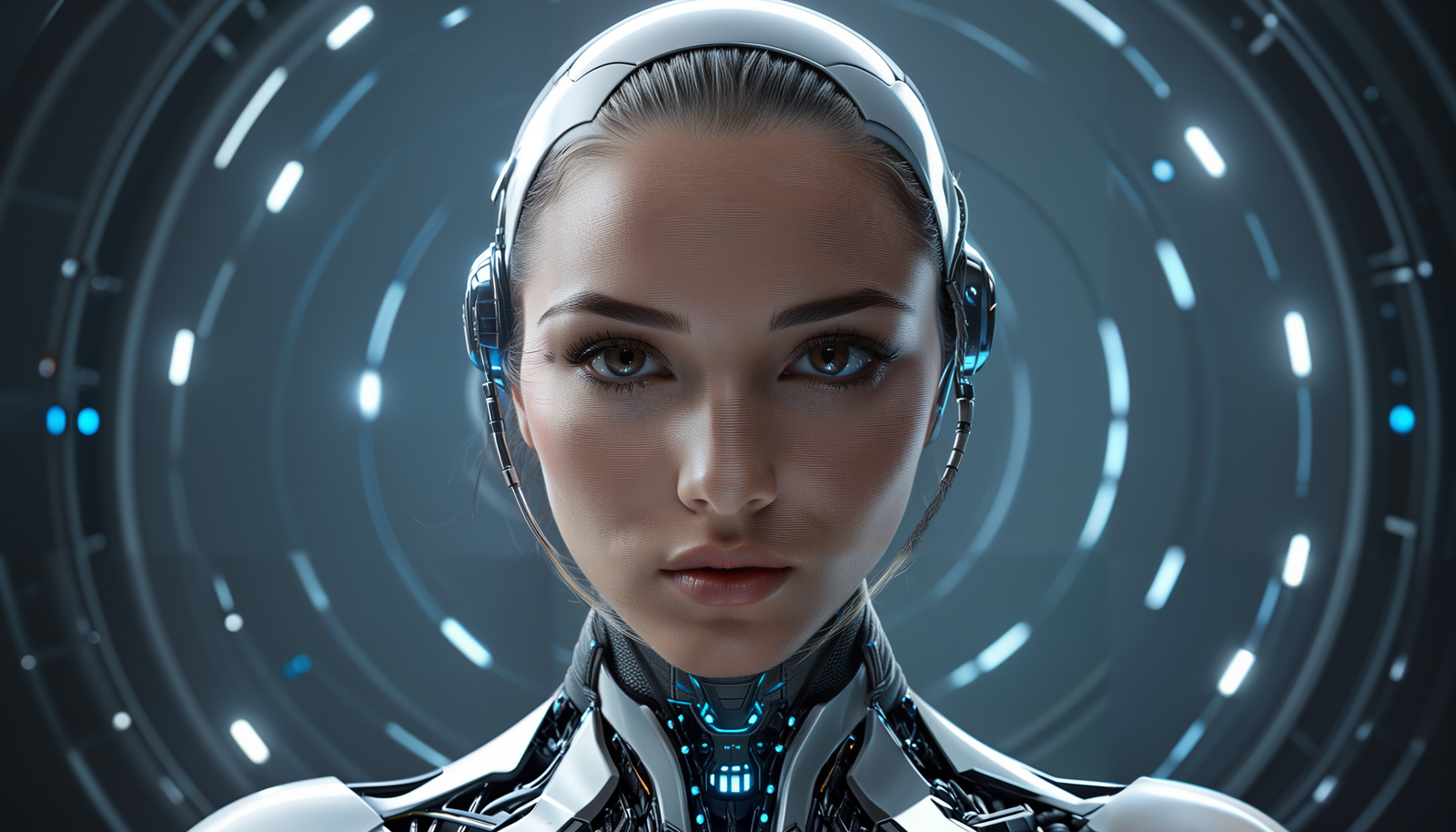
In the high-octane arena of hero shooters, mystery is often the most potent weapon in a developer’s arsenal. Blizzard Entertainment has mastered the art of the slow burn, teasing new additions to the Overwatch roster with cryptic silhouettes and tantalizing glimpses of gameplay. Now, the community is buzzing over the enigmatic arrival of the game’s 52nd hero, a character whose very identity remains shrouded in a veil of technological ambiguity. Is it a flesh-and-blood soldier or a sophisticated synthetic? The question has ignited a firestorm of speculation across social media platforms.
The Mystery of the Machine
What makes this specific reveal so captivating is the deliberate aesthetic choice of the character’s design. Early leaks and promotional materials suggest a visual style that blurs the lines between organic life and mechanical engineering. This ambiguity serves a dual purpose: it keeps the fan base engaged with theories while allowing Blizzard to weave a complex narrative thread into the existing lore. By refusing to provide a definitive answer immediately, the developers are creating a space for community engagement that transcends simple gameplay mechanics.
This design philosophy isn’t just a marketing gimmick; it is deeply rooted in the overarching themes of Overwatch’s universe. The franchise has long explored the ethical implications of artificial intelligence and cybernetics. By introducing a character whose biological status is unclear, Blizzard forces players to engage with these core themes from the moment they see the hero on the loading screen. Every texture, every joint, and every piece of equipment becomes a puzzle piece for the audience to solve as the game progresses toward its next major update.
The community’s reaction has been swift and divided, with some fans betting on a high-tech android while others suspect a human augmented by experimental cybernetics. This divide is exactly what the developers want. According to a recent source report, the ambiguity of the 52nd hero is a calculated move to build hype. This strategy ensures that the character remains a topic of conversation in forums and on social media for weeks before their official debut.
The Evolution of Hero Design
Looking back at previous additions like Genji or Zarya, we can see how Blizzard utilizes these hybrid identities to create unique gameplay archetypes. A hero that sits on the fence between human and machine allows for a broader range of abilities—some powered by biological adrenaline and others by mechanical systems. This nuance adds depth to the character’s “feel” during high-stakes matches. It isn’t just about what the character looks like; it is about how their unique physiology influences their role within the team dynamic.
As the countdown to the release nears, the pressure on Blizzard to provide clarity grows. However, the current strategy of intentional mystery is arguably more effective for long-term engagement. By allowing the community to debate the hero’s origins, they create a sense of shared discovery. When the final reveal finally happens, it won’t just be a new character joining the fray; it will be the resolution of a month-long narrative puzzle that has captivated millions of players worldwide.
Ultimately, this tactical silence from the developers serves as a masterclass in modern game marketing. In an era where information is often instant and overwhelming, choosing to withhold a specific detail can be more powerful than providing it immediately. By letting the fans speculate on whether the 52nd hero is human or robot, Blizzard isn’t just building anticipation for a new character; they are weaving the player base into the very fabric of the game’s evolving mythology.
The Strategic Architecture of Ambiguity
Beyond the immediate aesthetic appeal, Blizzard’s decision to mask the 52nd hero’s identity serves a profound strategic purpose in modern game marketing. By creating a vacuum of information, they force the community into a state of active engagement. Instead of passively consuming content, players are forced to analyze every frame of promotional footage and decode every cryptic tweet. This participatory loop transforms casual observers into invested advocates who feel personally invested in “solving” the mystery. In an era where attention is the primary currency, building a narrative around a void is often more effective than simply presenting a finished product.
From a technical standpoint, this ambiguity allows for a broader range of potential and monetization paths. By not committing to a specific archetype—be it a high-mobility scout or a heavy-duty tank—the developers can refine the character’s mechanics in private while the public remains occupied with speculation. This “moving target” approach provides a buffer against negative feedback during early development phases. If the community is focused on whether the hero is human or machine, they are less likely to criticize minor balance issues or animation glitches that would typically derail a launch if the character’s role were already clearly defined.
The implications for the broader gaming industry are significant. We are seeing a shift toward “lore-driven marketing” where the mystery itself becomes the product. This tactic isn’t exclusive to Overwatch; it mirrors trends in high-concept sci-fi and fantasy media where the unveiling of new content is treated as an unfolding narrative. By weaving the character’s identity into the very fabric of the game’s lore, Blizzard ensures that the reveal feels like a milestone achievement for the community rather than just another update. This creates a lasting emotional connection between the player base and the intellectual property.
However, this strategy carries inherent risks. If the final reveal fails to live up to the immense hype generated by the ambiguity, the backlash can be severe. There is a fine line between “mysterious” and “frustrating.” If the community feels misled or if the character’s mechanics are underwhelming compared to the grander-than-life marketing, it can erode trust in the developers’ transparency. The stakes are high because every piece of leaked information feeds the fire; one wrong hint can lead to a massive disconnect between expectations and reality. Success depends entirely on the execution of the “payoff” at the moment of unveiling.
Furthermore, this approach highlights the evolving role of community management in the digital age. Developers are no longer just building games; they are managing ecosystems of information. By leveraging ambiguity, Blizzard utilizes the power of social media algorithms to amplify their reach. Every theory posted by a fan is a new entry point for a potential player. The mystery acts as a catalyst for organic growth, turning the community into an unpaid marketing team that generates content around the “unknown.” This symbiotic relationship between developer intent and fan imagination is what makes the current cycle of Overwatch’s expansion so compelling to watch.
Ultimately, the arrival of the 52nd hero represents a masterclass in psychological engagement. By blurring the lines between organic and synthetic, Blizzard isn’t just creating a character; they are crafting a cultural moment. The success of this campaign will likely be measured not just by the character’s popularity within the game, but by how effectively it sustains interest during the long wait for release. It is a high-stakes gamble that prioritizes long-term brand loyalty over immediate clarity. As we move closer to the reveal, one must wonder: in an age where information is usually instantaneous, will the power of the “unknown” continue to be the most effective tool in a developer’s arsenal?