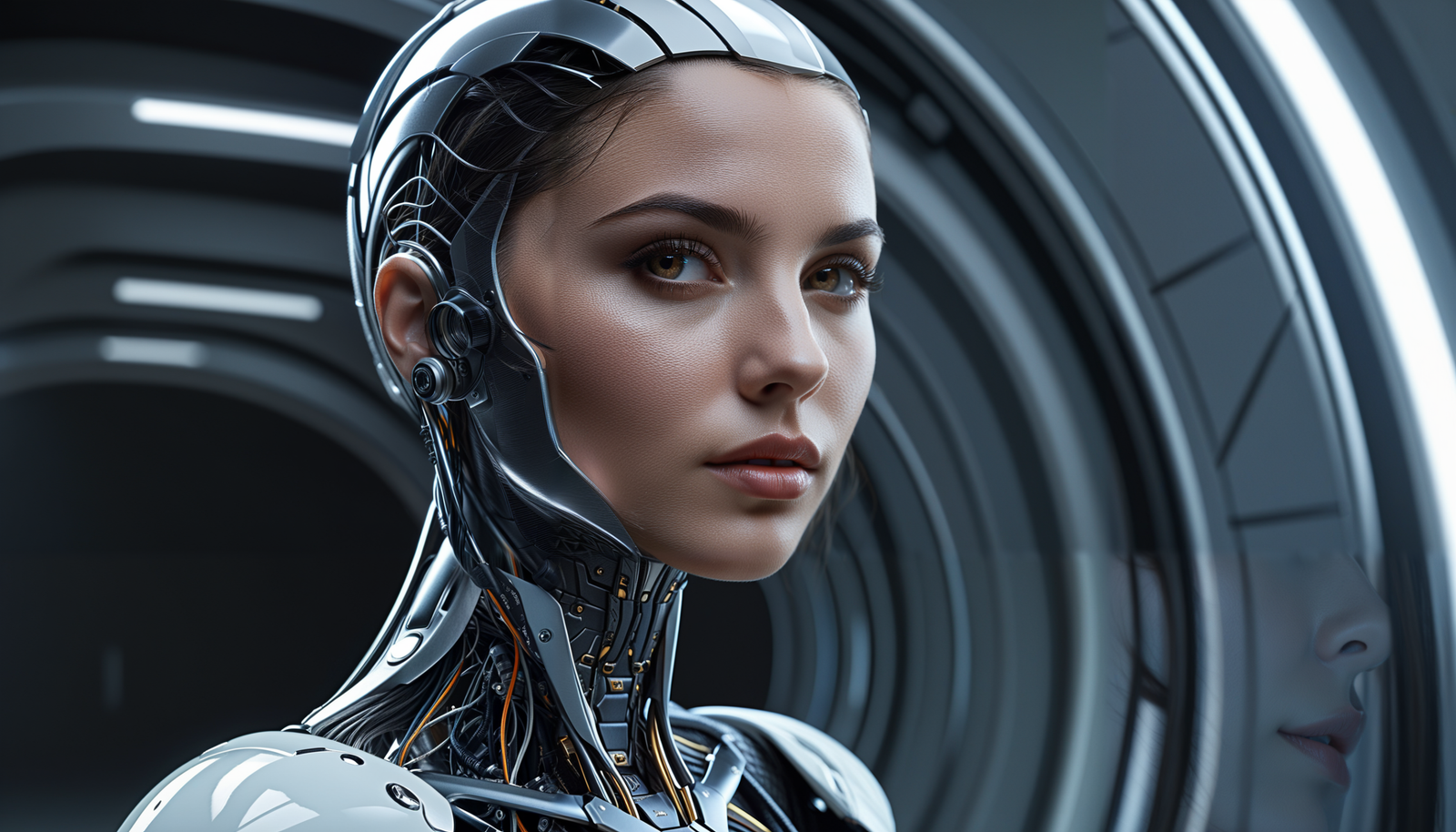
The Ghost in the Machine: Can Human Art Survive the Algorithmic Flood?
We are currently living through a profound ontological crisis in the creative arts, driven by the rapid escalation of generative artificial intelligence. As large language models begin to churn out poetry, prose, and scripts with uncanny fluency, the very definition of “authorship” is being interrogated by everyone from casual readers to high-level critics. The fear isn’t just that machines will produce content faster than humans; it is the existential dread that the human spark—the unique, messy, and deeply personal experience of consciousness—might be diluted into a statistical average. In this climate, the role of traditional accolades and literary milestones has shifted from mere accolades to vital bastions of human identity.
For decades, literary prizes served as gatekeepers of cultural value, signaling that a piece of work possessed a specific kind of depth that transcended mere readability. Today, these awards are facing a new mandate: they must act as certificates of authenticity in an era of synthetic abundance. When an algorithm can generate a perfectly structured sonnet in seconds, the value of a human-written poem shifts from its technical execution to the lived experience behind it. The source report highlights how these cultural markers are becoming essential for the recovery of the self in a digital landscape. They provide a space where human vulnerability is prioritized over algorithmic optimization.
The rise of AI has created a “sameness” problem in digital content. Because generative models work by predicting the most likely next word, they often gravitate toward the mean, erasing the jagged edges and idiosyncratic choices that define great literature. To combat this, critics argue that we must pivot our focus back to the “sovereign self.” This means celebrating works that lean into the specific, the local, and the inconvenient truths of being human. A literary prize in 2024 is no longer just about good writing; it is a declaration that the author’s subjective reality remains relevant even when an AI can simulate that reality with perfect grammatical accuracy.
This shift necessitates a fundamental change in how we consume and curate media. We are moving toward a “high-touch” economy of culture where human curation becomes the ultimate luxury. Just as organic food became a premium because it lacked industrial additives, “human-made” literature is becoming a premium because it contains the “impurities” of genuine emotion. The literary prize serves as the seal on this authenticity. It tells the reader that the words they are consuming were forged in the fires of actual human experience, rather than being synthesized by a processor running on a server farm in some distant, sterile data center.
Ultimately, the struggle to preserve the self in the age of AI is a battle for the soul of our cultural narratives. If we allow everything to be treated as a commodity produced by an algorithm, we risk losing the ability to recognize the profound connection between a writer’s internal life and the words they put on the page. By championing literary excellence through established institutions, we create a sanctuary for human consciousness. These prizes are not just trophies; they are anchors that keep our collective identity from drifting into the sea of automated content, ensuring that the “human” in humanities remains central to our cultural survival.
The Human Premium in an Automated Era
As the flood of synthetic content rises, we are entering an era of hyper-curation. When a machine can generate ten thousand variations of a sonnet in seconds, the value of the individual poem plummets toward zero. In this vacuum of abundance, the “human premium” becomes the only remaining currency of value. We are seeing a pivot toward the provenance of the work rather than just the aesthetic quality of the output. Critics and audiences will increasingly demand to know not just what was written, but who suffered, who lived, and who bled for the words on the page. The prestige of an award now serves as a certificate of human labor.
This shift creates significant hurdles for the publishing industry and digital platforms alike. If the primary metric of success becomes “humanity,” then the infrastructure of distribution must change. Platforms may soon need to implement rigorous verification systems to distinguish between organic creation and algorithmic synthesis. For publishers, this means a return to traditional gatekeeping roles that were once dismissed as archaic. They are no longer just distributors; they are becoming high-level curators who vouch for the authenticity of the human experience. The risk is a fractured ecosystem where “human-made” becomes a luxury brand, accessible only to those who can navigate the premium costs associated with it.
However, this transition also offers unprecedented opportunities for creators who lean into their unique vulnerabilities. AI excels at the “average”—it synthesizes existing patterns to create something statistically likely. It cannot, however, replicate a specific, lived trauma or a niche, idiosyncratic perspective that hasn’t been codified in its training data yet. The artists who will thrive are those who lean into the “glitch” of human experience: the weird, the uncomfortable, and the deeply personal. By embracing the limitations of their own consciousness rather than trying to compete with the infinite scale of a machine, creators can carve out a space that feels authentic in a sea of polished perfection.
The broader stakes involve the very way we define cultural progress. If we allow AI to dictate our aesthetic preferences, we risk entering a feedback loop where content is optimized for engagement rather than inspiration. We could end up with a “gray” culture—perfectly functional but devoid of the friction that sparks true innovation. To prevent this, the literary and artistic communities must double down on the role of mentorship and physical community. These are the spaces where human nuances are passed down through imitation and observation, not through prompt engineering. The goal is to ensure that art remains a dialogue between souls, rather than a transaction between a user and an interface.
Ultimately, we are standing at a crossroads where technology forces us to define what makes us unique. If a machine can write a beautiful sentence, then the beauty of that sentence is no longer a miracle; it is merely a calculation. To preserve the “ghost in the machine,” we must reclaim the value of the process over the product. We must celebrate the struggle of the draft, the silence of contemplation, and the physical act of creation. As we move forward, our most vital defense against the algorithmic flood will be our willingness to remain stubbornly, beautifully human. In a world where everything can be generated instantly, how much of your own truth are you willing to risk for the sake of a masterpiece?