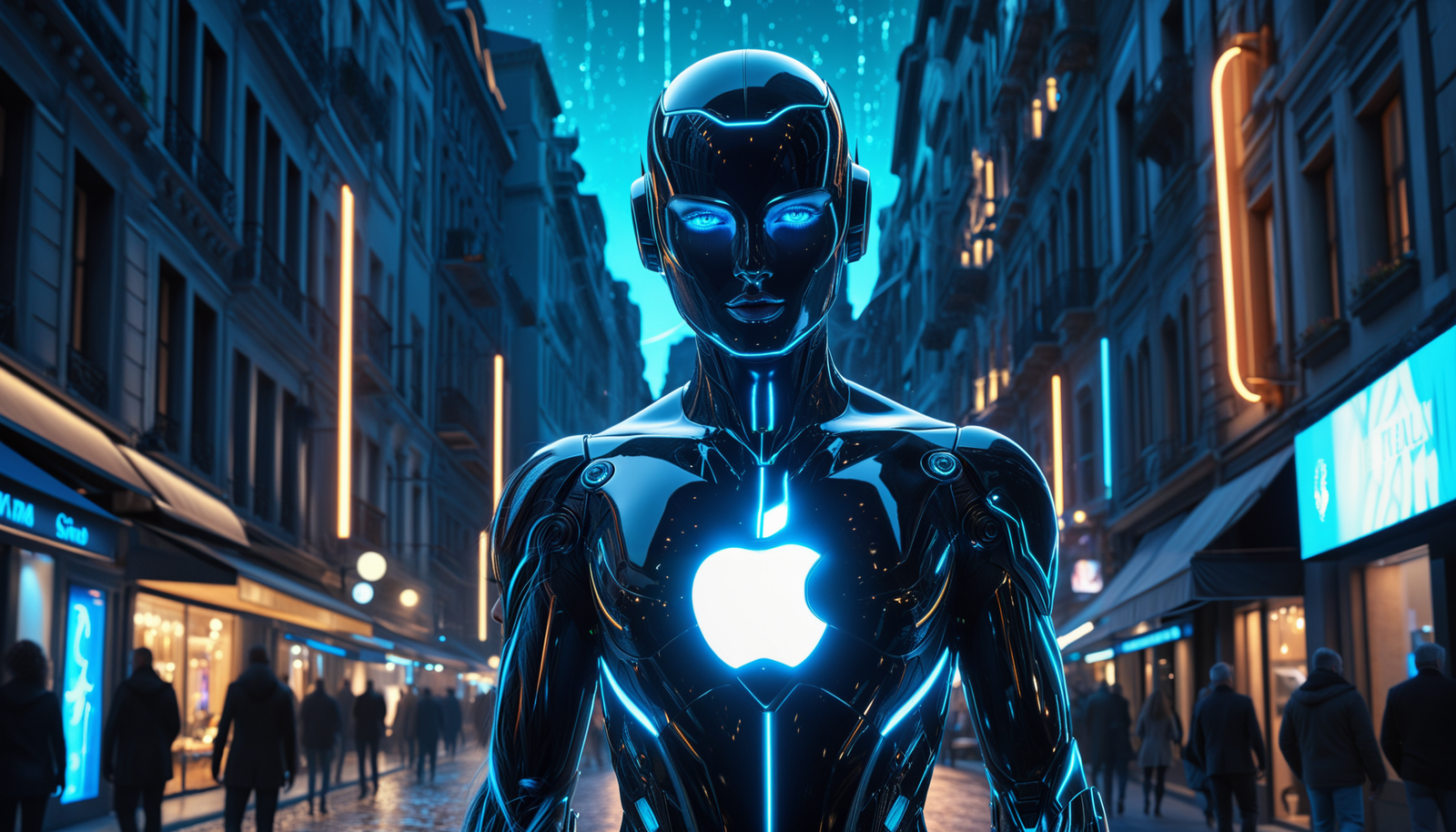
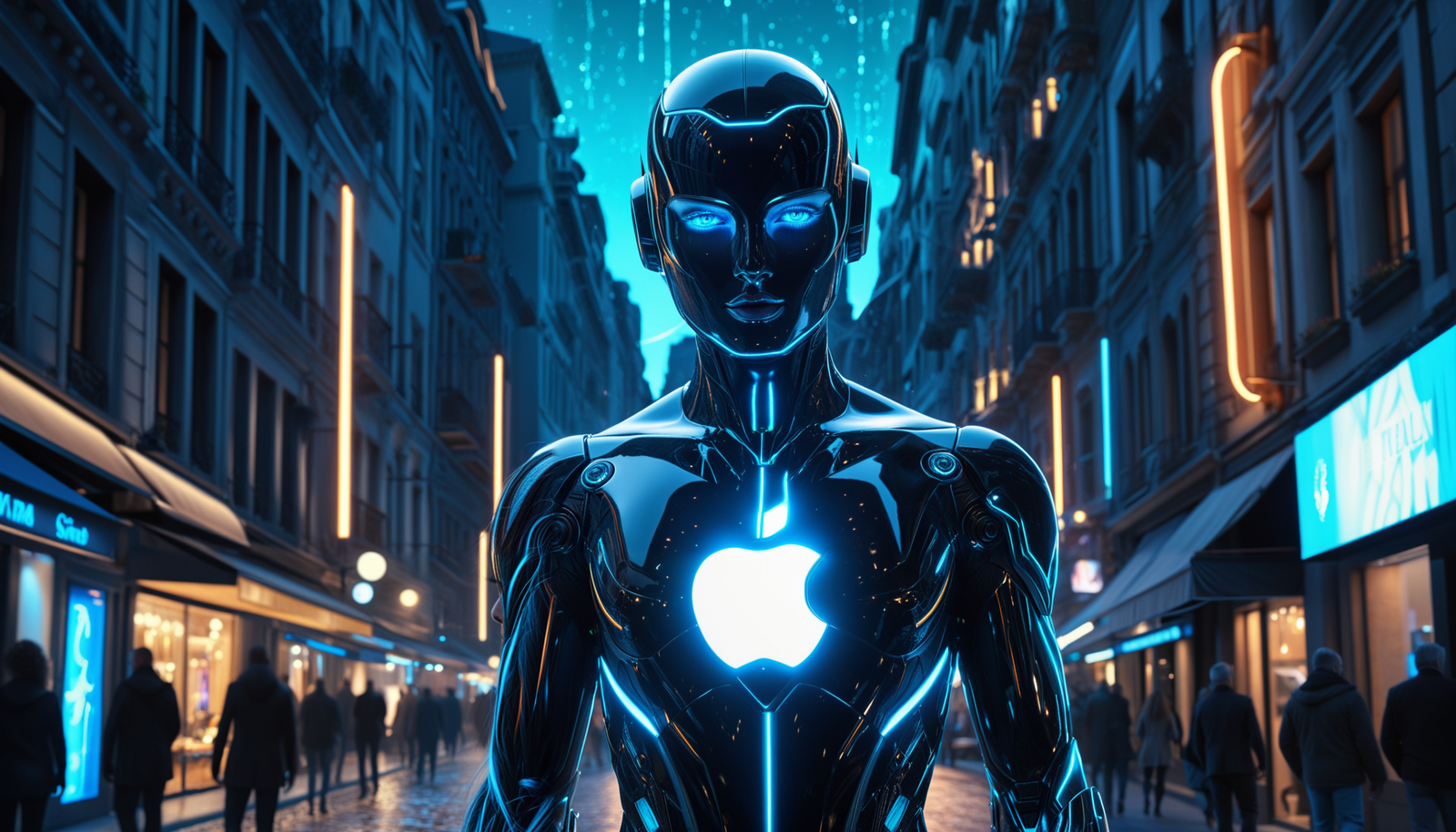
In a move that underscores the growing friction between Silicon Valley giants and European regulators, Apple has officially announced a considerable delay in bringing its next-generation Siri AI features to users in the European Union. While other regions are expected to experience these transformative AI capabilities with iOS 27 and iPadOS 27, EU users will reportedly have to wait until 2026. The Cupertino company points an unequivocal finger at the EU’s Digital Markets Act (DMA) as the primary culprit for this deferment, creating a two-tiered rollout that is bound to frustrate European consumers and raise questions about the future of global tech innovation. This delay for Siri AI EU 2026 is not just a minor hiccup; it’s a stark illustration of how regulatory frameworks are reshaping product development and market access.
DMA’s Grip: Why Apple’s Siri AI EU 2026 Vision is on Hold
The Digital Markets Act (DMA) isn’t just another piece of legislation; it’s a seismic shift in how tech behemoths operate within the EU. Designed to foster fair competition and prevent market abuse by so-called ‘gatekeepers,’ the DMA imposes rigorous obligations on companies like Apple. These include mandates around interoperability, data privacy, and the opening up of their traditionally closed ecosystems. The core aim is to level the playing field for all digital service providers and grant users greater control over their digital lives.
Apple contends that complying with the DMA’s intricate provisions necessitates fundamental alterations to how its new AI features function. Specifically, the company highlights the need to ensure that Siri’s AI capabilities do not unfairly favor Apple’s own products and services, and that users are presented with more choices regarding third-party service providers. This isn’t a trivial undertaking. Integrating advanced AI, especially on-device processing designed for privacy, while simultaneously opening it up to external developers and ensuring non-discriminatory access, is a monumental technical and logistical challenge. The extensive re-engineering required to meet these demands is precisely why Apple states it cannot launch these features in the EU until 2026.
Unpacking the Delay: What Next-Gen Siri AI Features Are We Missing?
The delay impacts a suite of highly anticipated AI features that promise to fundamentally reshape our interaction with Siri. Apple has teased a more intelligent, personalized, and capable Siri, boasting enhanced contextual understanding, the ability to handle more complex, multi-step requests, and deeper integration with third-party applications. Recent WWDC presentations showcased a glimpse of this future, promising a Siri that moves beyond simple commands to become a proactive, intuitive digital assistant.
One of the standout features is Siri’s newfound ability to execute multi-step actions across various applications. Imagine saying, ‘Find photos I took in Paris last month and send them to my mom.’ This seemingly straightforward command requires a sophisticated level of system integration, secure access to user data, and intelligent task orchestration. Furthermore, Apple has been heavily investing in improving Siri’s natural language processing, aiming for a more accurate understanding of user intent, even when commands are imperfect or nuanced.
Crucially, many of these features are designed for on-device processing, a cornerstone of Apple’s privacy-first philosophy. This approach minimizes data transmission to the cloud, enhancing user privacy. However, the challenge lies in integrating these privacy-centric, on-device capabilities into a more open ecosystem as mandated by the DMA. Ensuring users can opt for alternative services without compromising the core experience or security is a delicate balancing act that demands significant development time.
The Broader Implications: A Shifting Tech Landscape
Impact on EU Consumers and Market Dynamics
The deferral of Siri AI EU 2026 is undoubtedly a letdown for Apple users across the continent. They will be left watching as their counterparts in the US and other markets gain earlier access to cutting-edge AI technologies, creating a noticeable feature gap. This could lead to frustration and potentially impact Apple’s competitive standing in the short term. However, from a long-term perspective, Apple’s compliance with the DMA could ultimately benefit EU consumers by fostering a healthier competitive environment and guaranteeing stronger data privacy protections. The DMA’s goal is to ensure that powerful gatekeepers like Apple do not stifle innovation or unfairly disadvantage smaller players. More information on the Digital Markets Act can be found on the European Commission’s website.
For Apple, this situation presents a significant operational and strategic challenge. Adapting core products and services to comply with diverse regional regulations can slow down innovation cycles, increase development costs, and complicate global product roadmaps. Yet, compliance is non-negotiable for maintaining access to a critical market like the EU. This decision starkly illustrates the profound and far-reaching influence of the DMA on the world’s largest tech companies.
The Future of AI and Tech Regulation
This episode serves as a powerful reminder of the escalating importance of technology regulation worldwide. As AI systems become more powerful, pervasive, and integrated into daily life, governments and regulatory bodies are increasingly seeking to govern their development and deployment. The objective is clear: protect consumers, ensure fair competition, and prevent monopolistic practices. The EU, in particular, has been at the forefront of this regulatory wave, not just with the DMA but also with its comprehensive AI Act, designed to manage AI systems based on their risk levels. The European Parliament’s press room offers further details on the AI Act.
We are likely to see more such instances where tech companies must navigate a delicate balance between rapid innovation and regulatory adherence. This could lead to a fragmentation of features and services across different geographical regions, dictated by local laws and policies. Companies will need to be agile and proactive in adapting to an increasingly complex global regulatory landscape, potentially leading to varied user experiences depending on where one resides.
The Stakes
Apple’s delay in rolling out its advanced Siri AI features in the EU until 2026 due to DMA compliance is more than just a product launch setback; it’s a bellwether for the future of global tech. It highlights the immense power of regulatory bodies to shape innovation and market access, forcing even the most dominant players to recalibrate their strategies. The question now isn’t just when EU users will get their hands on the latest Siri, but what long-term impact this regulatory friction will have on Apple’s competitive edge in Europe and, indeed, on the very pace of technological advancement itself.