The digital asset world, once a bastion of rapid growth and seemingly endless opportunities, is now facing a stark reality. A relentless wave of crypto job cuts has swept through the industry, leaving thousands of professionals adrift. From major exchanges like Coinbase and Kraken to burgeoning blockchain projects, the narrative is consistent: leaner teams, optimized operations, and a clear pivot towards efficiency. But to dismiss these layoffs as mere market volatility would be a grave miscalculation. This isn’t just a cyclical downturn; it’s a potent harbinger of a fundamental transformation in the global workforce, orchestrated by the relentless march of artificial intelligence. Are we witnessing the dawn of an AI-driven labor revolution, and will its full impact be undeniable by 2026?
The Unseen Hand Behind Crypto Job Cuts: AI’s Ascendance
While market downturns and increased regulatory scrutiny are frequently cited as the primary catalysts for the recent crypto layoffs, a more insidious and transformative force is at play: the accelerating integration of AI. Companies are increasingly recognizing that AI can execute a vast array of tasks that previously demanded human labor – from intricate data analysis and risk management to customer service and even aspects of software development. This isn’t just about cost reduction; it’s about unparalleled efficiency, precision, and scalability that human teams simply cannot match.
Consider the operational demands of a crypto exchange. AI can monitor millions of transactions in real-time, identify fraudulent patterns with greater accuracy than human auditors, automate complex trading strategies, and provide 24/7 customer support through sophisticated chatbots. These capabilities directly impact the need for entry-level market analysts, support staff, and even some development and QA roles. The result is a shrinking demand for certain human roles, even as the overall industry continues to innovate. This dynamic is a critical, often understated, factor driving the current wave of crypto job cuts.
AI as a Disruptor and an Enabler
The narrative around AI often swings between two extremes: the job-destroying monster and the utopian creator of new opportunities. The reality, as always, is more nuanced. AI’s immediate impact is undeniably disruptive, particularly for repetitive, data-intensive tasks. In the crypto space, this means AI can:
- Track market fluctuations and execute high-frequency trades.
- Detect anomalies and potential security breaches.
- Automate compliance checks and regulatory reporting.
- Personalize user experiences and provide instant support.
These capabilities lead to a direct reduction in the need for human intervention in these specific areas. However, it’s crucial to understand that AI isn’t merely replacing human labor; it’s augmenting it. By offloading tedious, routine tasks, AI frees human workers to focus on higher-value activities that demand creativity, strategic thinking, emotional intelligence, and complex problem-solving – areas where AI still falls short. The challenge, then, is not just about adapting to job displacement but about evolving to new, more sophisticated roles.
Navigating the AI-Driven Future: Skills for 2026 and Beyond
The rapid integration of AI demands a proactive response from both individuals and organizations. For those in the crosshairs of technological change, particularly in volatile sectors like crypto, upskilling and reskilling are no longer optional but essential for survival and growth. The jobs of tomorrow will increasingly require a blend of technical prowess and uniquely human attributes.
Investing in the Human-AI Partnership
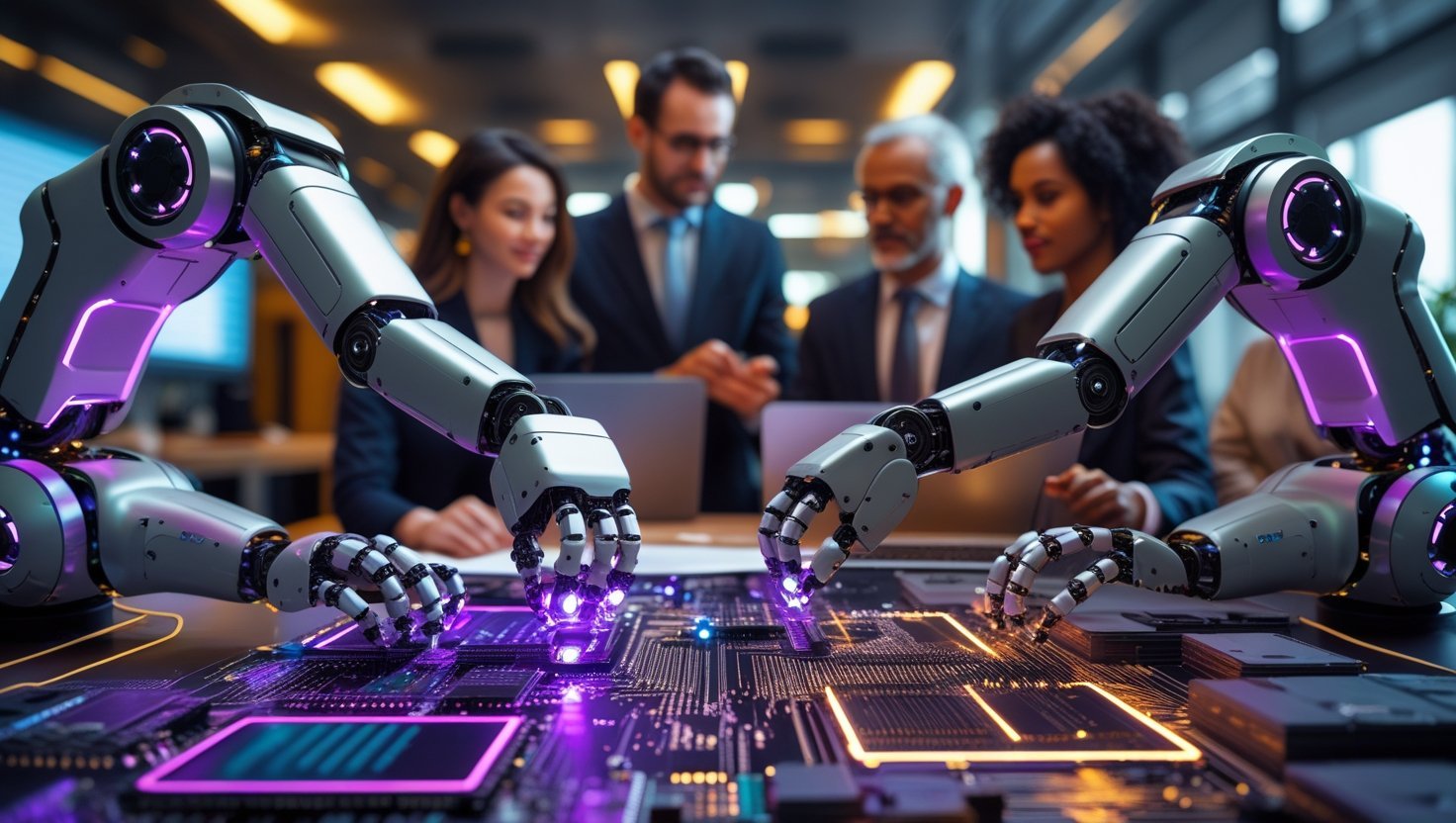
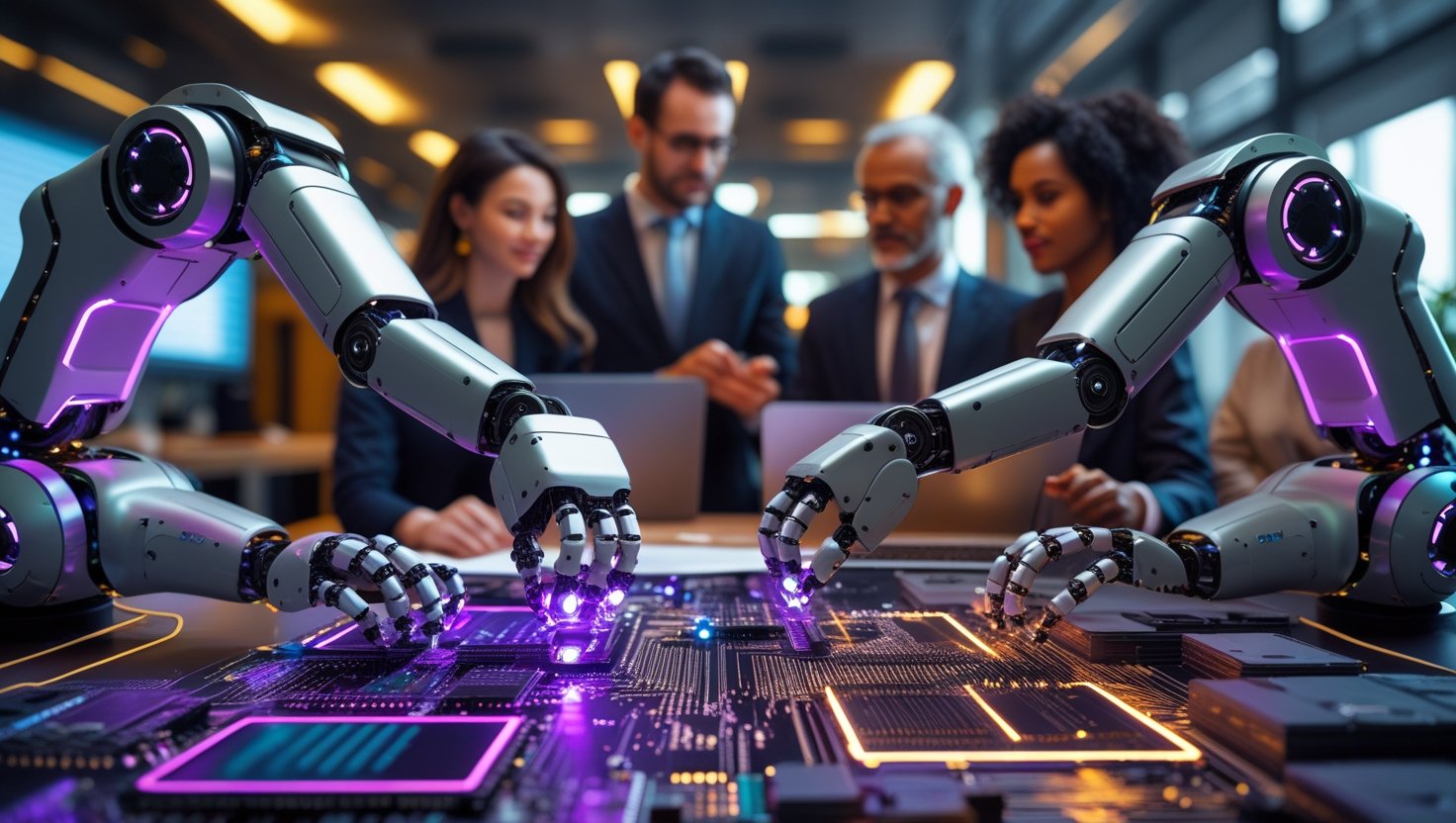
The future workforce isn’t about humans vs. AI; it’s about humans *with* AI. This partnership requires new skill sets. Individuals need to cultivate a deeper understanding of AI principles, data literacy, and computational thinking. Soft skills like critical thinking, adaptability, creativity, and complex problem-solving will become paramount as AI handles the more mechanical aspects of work. Online courses, specialized certifications, and continuous learning platforms will be vital tools for career longevity.
For businesses, the strategy must shift from merely cutting costs through layoffs to strategically reallocating resources towards developing AI-fluent teams. Instead of viewing AI as a replacement for human capital, forward-thinking companies are investing in training their existing workforce to collaborate effectively with AI systems. This involves creating roles like AI ethicists, data scientists, machine learning engineers, and AI integration specialists – positions that require deep technological expertise combined with an understanding of human-centric design and ethical implications. As Bloomberg reported, the imperative to ’embrace AI or get left behind’ is driving significant investment and reshaping labor markets across the tech sector. Learn more about this trend here.
The Strategic Imperative: Adapt or Perish
The crypto industry, with its inherent dynamism and reliance on cutting-edge technology, is a microcosm of this larger global trend. The current crypto job cuts are a stark reminder that no industry is immune to the transformative power of AI. Companies that fail to integrate AI strategically, leverage its capabilities to enhance human potential, and invest in their workforce’s evolving skill sets will find themselves at a significant disadvantage. The competitive landscape will increasingly favor those who can harness AI not just for automation, but for innovation, personalized services, and strategic insights.
By 2026, the lines between human and AI responsibilities will be even more blurred. The most successful professionals will be those who can fluidly navigate this hybrid environment, leveraging AI as a powerful co-pilot rather than fearing it as a replacement. The focus will shift from performing tasks to orchestrating AI-powered workflows, interpreting complex data generated by algorithms, and applying uniquely human judgment to strategic decisions. This requires a profound mental shift and a commitment to lifelong learning.
Conclusion: The Future is Now, Are You Ready?
The current wave of crypto job cuts serves as a powerful wake-up call, underscoring the irreversible impact of AI on the global labor market. By 2026, AI’s influence will only deepen, creating both unprecedented challenges and extraordinary opportunities. The question is no longer if AI will change your job, but how you will adapt to thrive in an AI-augmented world. Are you prepared to embrace this future, reskill, and reimagine your career in collaboration with intelligent machines?