The Unholy Trinity: How AI, Crypto, and AIPAC Are Reshaping Political Destinies

The political landscape is undergoing a silent revolution. The convergence of artificial intelligence, cryptocurrencies, and powerful lobbying forces like AIPAC is creating a potent cocktail that could make or break political careers by 2026. This isn’t just about new tools; it’s about fundamentally altering the fabric of democratic processes.

Beyond LLMs: Why ‘World Models’ Are AI’s Next Big Leap – And What It Means For You

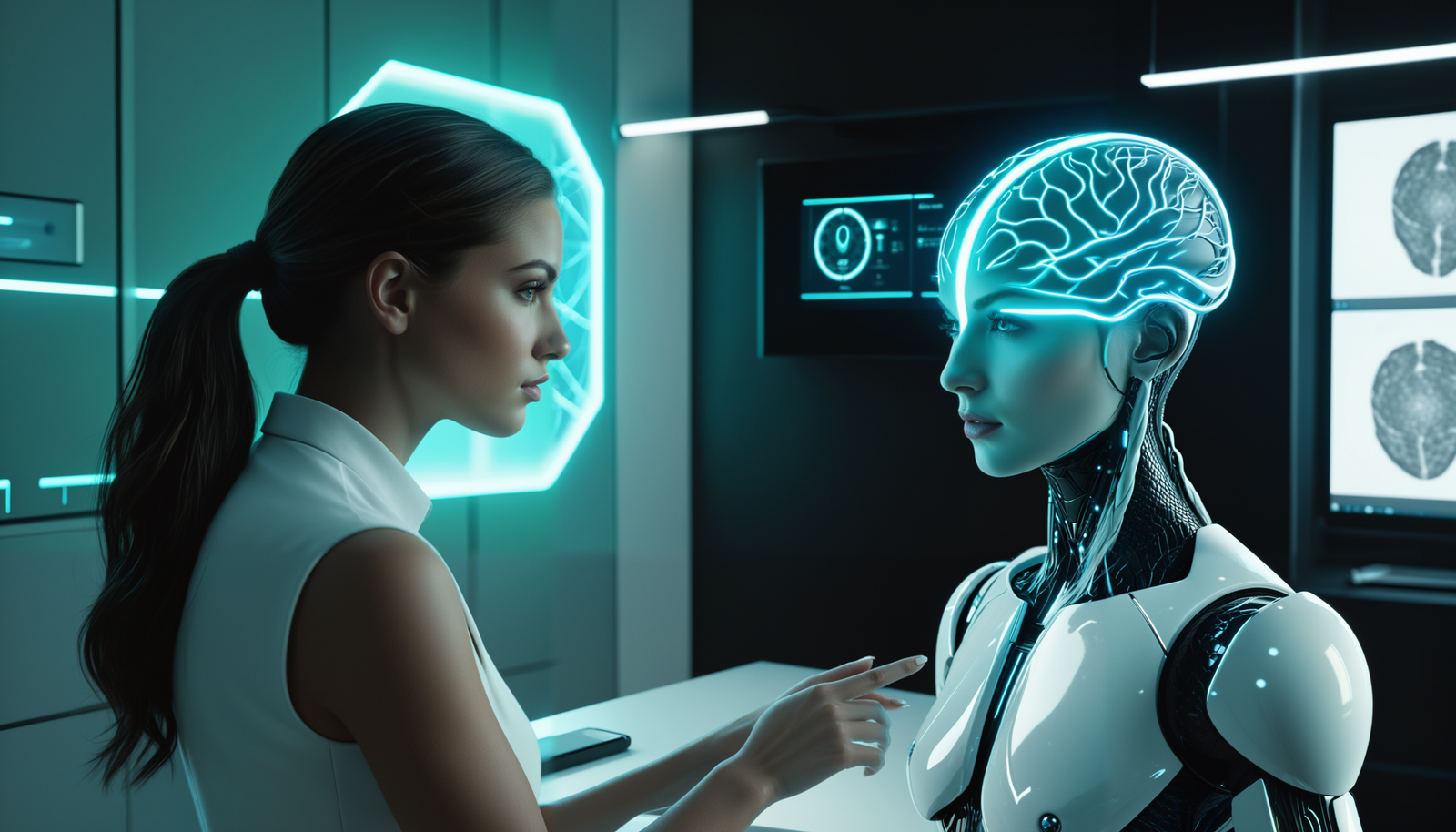
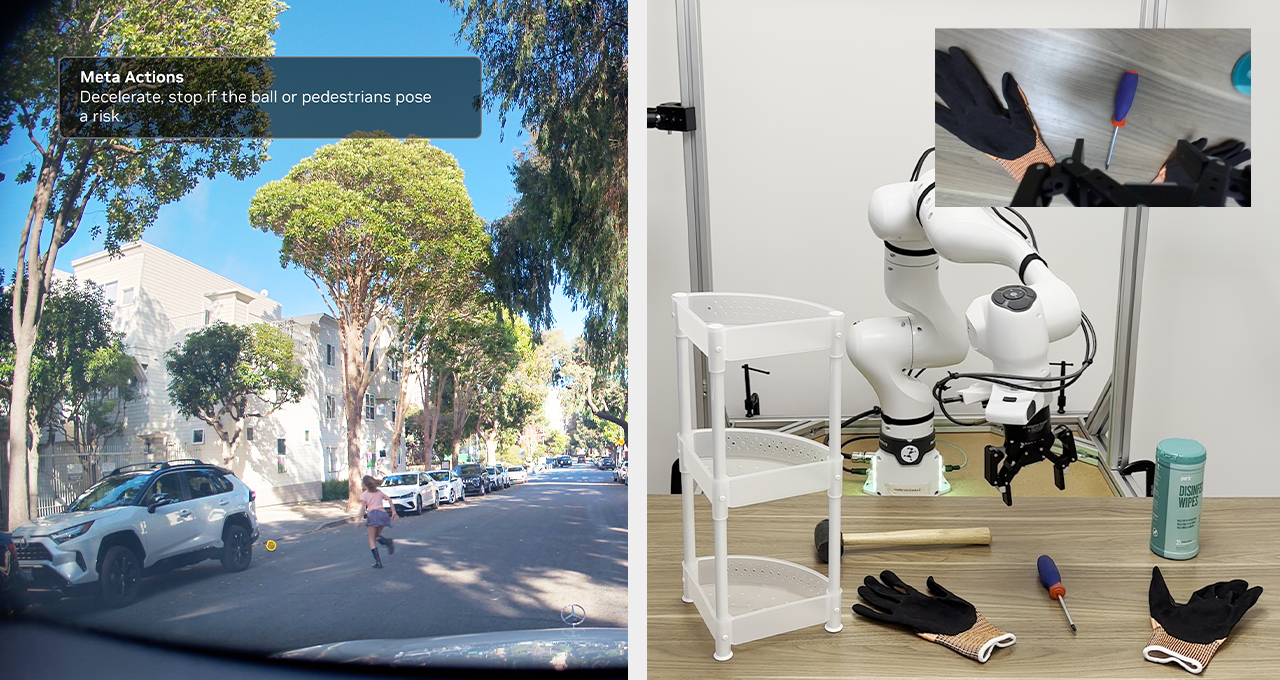
Forget the hype around large language models for a moment. A more profound shift is underway in AI research: the rise of ‘world models.’ These sophisticated AI systems are learning to build internal representations of their environments, predicting outcomes, and simulating scenarios without direct physical interaction. This isn’t just an incremental improvement; it’s a foundational change that could unlock truly intelligent and autonomous AI, fundamentally reshaping industries from robotics to drug discovery.

ChatGPT’s New Memory System: The End of Context Amnesia and the Dawn of True AI Companionship

OpenAI is rolling out a game-changing memory system for ChatGPT, promising to transform our interactions with AI from fleeting conversations into deeply personalized and continuous experiences. This isn’t just a technical upgrade; it’s a fundamental shift towards an AI that truly understands and remembers us, marking a pivotal moment in the evolution of conversational agents.

Apple Delays Next-Gen Siri AI in EU Until 2026, Citing DMA Compliance Hurdles

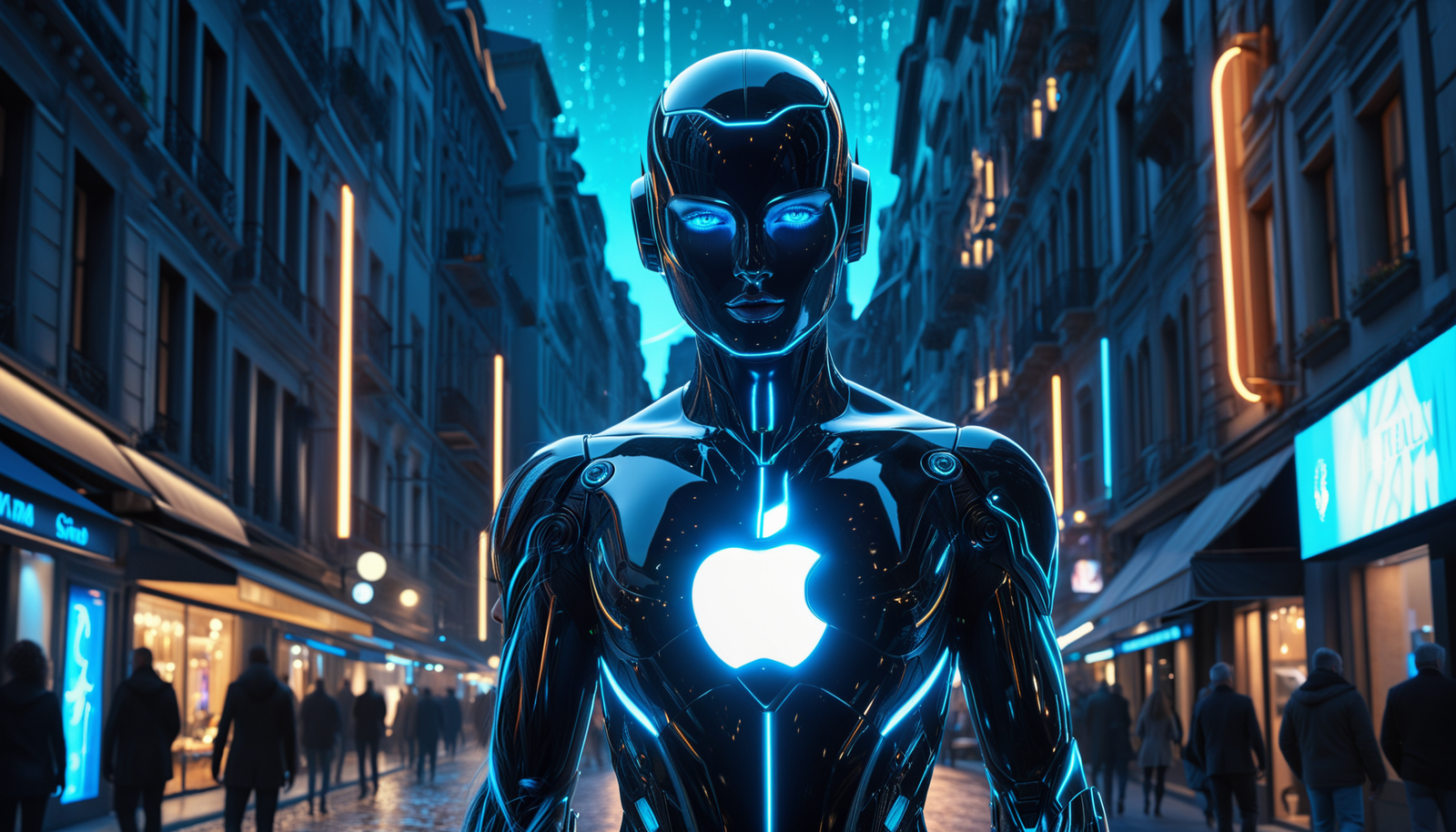
Apple has confirmed a significant delay in the rollout of its advanced Siri AI features for iOS 27 and iPadOS 27 in the European Union, pushing the launch to 2026. The tech giant attributes this setback directly to the stringent requirements of the EU’s Digital Markets Act (DMA), highlighting the profound impact of new tech regulations on global product launches and innovation.

The Futility of AI Detection: Why OpenAI Says No Tool Can Reliably Spot AI Text

OpenAI’s APAC Education Head, Michael Chick, has dropped a bombshell: no tool can reliably detect AI-generated text. This isn’t just a minor technical hurdle; it’s a fundamental shift that challenges our understanding of content authenticity, particularly in education and publishing, and demands a radical rethink of how we engage with AI by 2026.

Cosmos 3: The NVIDIA-Backed Brain Enabling Physical AI to Think Before It Acts

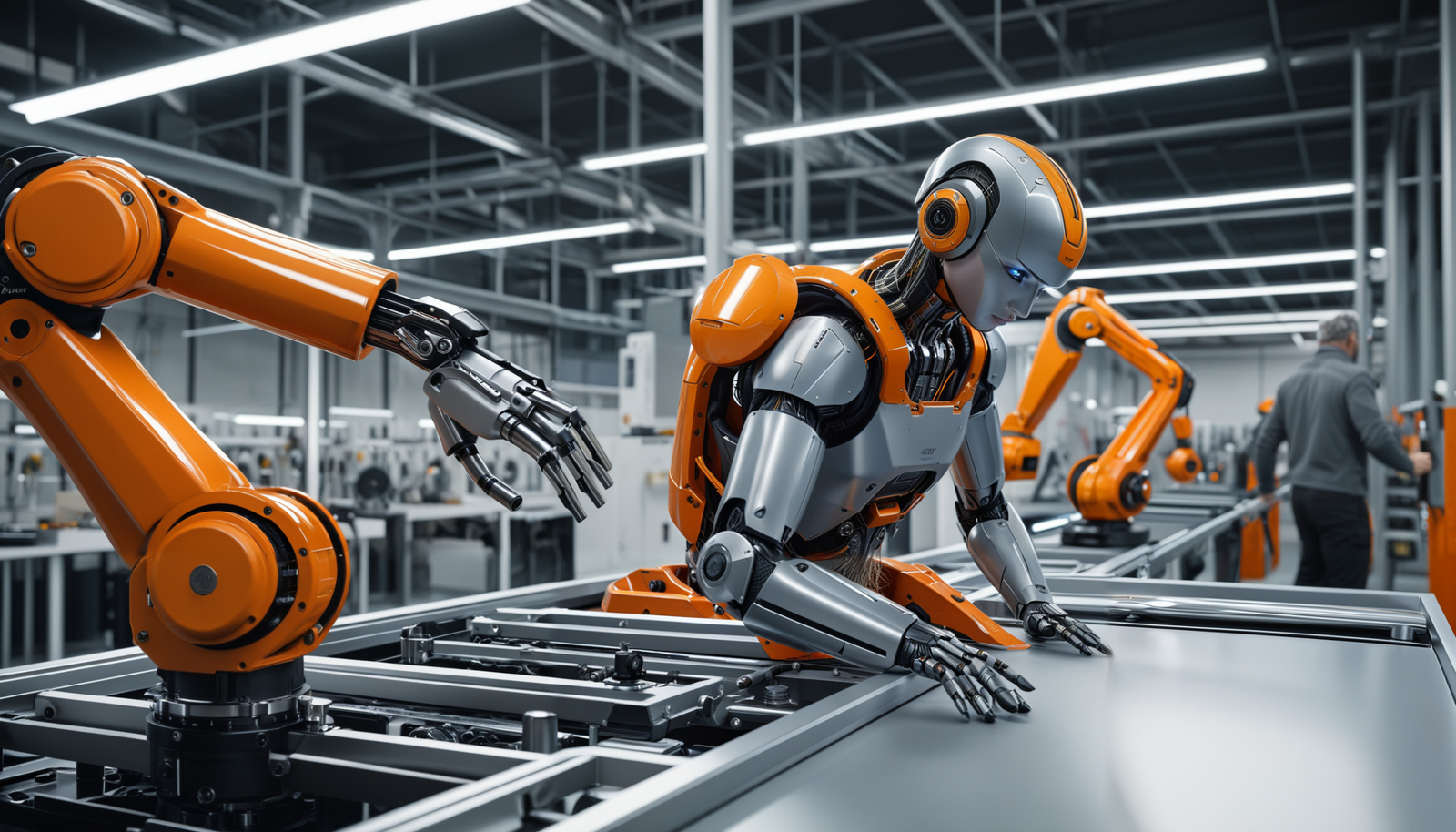
NVIDIA’s Cosmos 3 is poised to revolutionize physical AI by granting robots the ability to think, plan, and predict outcomes before executing actions. This advanced framework moves beyond reactive systems, enabling AI to build internal world models, reason, and make safer, more efficient decisions in complex, unpredictable environments.

The End of the Blue Links? Google’s AI Overhaul Reshapes Search as We Know It

Google is making a monumental shift in its iconic search box, deeply integrating AI capabilities that promise to transform how we find information online. This isn’t just an update; it’s a fundamental re-architecture of search, signaling a future where direct AI-generated answers might overshadow traditional links, with profound implications for users and content creators alike.

The Unavoidable Future: Why We Can’t Delay AI Adoption in Education

Amidst student protests, a Pitt professor warns against delaying AI adoption in education. This piece explores the critical need for integrating AI responsibly into learning environments, highlighting both the immense opportunities and pressing challenges as we prepare students for an AI-driven world.

Samsung’s Galaxy Watch AI: A Glimpse into the Future of Proactive Health Management

Samsung is pushing the boundaries of wearable health tech with a significant update to its Samsung Health app, transforming the upcoming Galaxy Watch into an AI-powered, proactive health companion. This isn’t just about tracking steps; it’s about intelligent analysis, personalized insights, and a fundamental shift in how we manage our well-being.

NVIDIA Unlocks the Next Frontier of AI: Why Physical AI Agent Skills Are a Game-Changer

NVIDIA’s latest announcements at CVPR aren’t just about incremental improvements; they signal a profound shift towards practical, real-world AI. By introducing new physical AI agent skills, NVIDIA is tackling the core challenges in developing autonomous vehicles, advanced robotics, and sophisticated vision AI systems, moving beyond theoretical models to robust, deployable solutions. This isn’t just about making AI smarter; it’s about making it work in the messy, unpredictable physical world.