Source: Samsung Newsroom
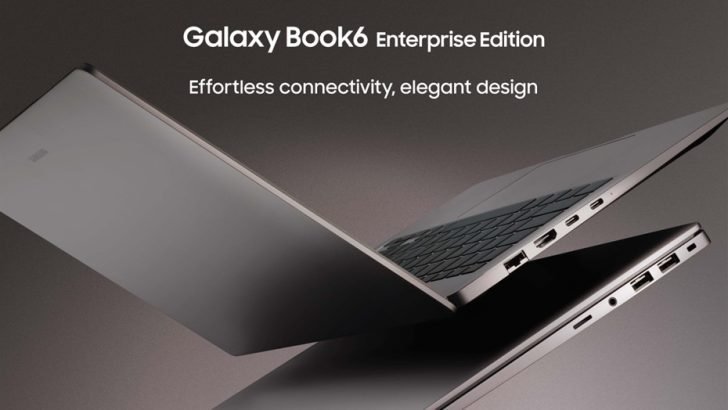
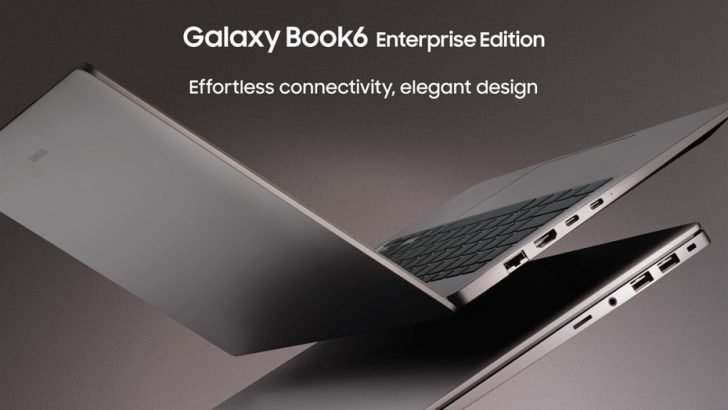
In an era where corporate data is the most valuable—and most targeted—asset, relying on perimeter defenses alone is a relic of the past. The modern threat isn’t a firewall breach; it’s a compromised endpoint. It’s a lost laptop, a weak password, or a single piece of unmanaged hardware in a remote branch office. This fundamental shift in risk profile means that the definition of a ‘secure’ machine must change entirely. Samsung’s introduction of the Galaxy Book6 Enterprise Edition is not merely a product refresh; it is a declaration that peak performance and uncompromising enterprise laptop security must finally coexist in a single, manageable package.
The Convergence of Power and Protection
For years, the tech industry has treated performance and security as separate concerns. Enterprise-grade security meant robust, but often sluggish, hardware; high performance meant powerful, but sometimes overly complex and difficult-to-manage systems. The Galaxy Book6 attempts to dismantle this false dichotomy. By coupling the latest Intel Core Ultra Series 3 processors with the specialized management features of Intel vPro, Samsung is presenting a holistic solution designed for the IT department, not just the end-user.
The Core Ultra processors are the engine room of this proposition. These chips aren’t just about raw clock speed; they represent a major architectural leap toward specialized processing. They manage tasks across dedicated AI accelerators and multiple cores, allowing for unprecedented efficiency in highly demanding, multi-threaded professional applications. For the modern knowledge worker—who juggles video conferencing, data analysis, and cloud-based collaboration—this means sustained, reliable power without the thermal throttling or battery drain that plagued previous generations.
Deep Dive into vPro: Beyond Remote Troubleshooting
While the Core Ultra chips handle the ‘doing,’ the vPro technology handles the ‘managing.’ For the average user, vPro is often an invisible layer of magic. For the Chief Information Officer (CIO), however, it is the most critical feature. It elevates the laptop from a personal tool to a fully controllable node within a corporate network. vPro provides deep, low-level management capabilities that allow IT administrators to maintain, monitor, and even recover the device remotely, regardless of the operating system or whether the device is physically accessible.
This capability is invaluable. If a device is reported lost or stolen, the IT team doesn’t just know *where* it was; they can potentially lock it down, wipe sensitive data remotely, or gather forensic information about its last active state. This level of granular control drastically reduces the Mean Time To Recovery (MTTR) and minimizes the financial and reputational damage associated with a data breach. It is the difference between a manageable incident and a catastrophic failure.
Building the Enterprise Ecosystem
What truly differentiates this offering is the integration of the “Galaxy” experience. Samsung isn’t just selling a powerful machine; they are selling a managed ecosystem. The combination of physical security features—such as advanced biometric sensors and Trusted Platform Modules (TPM) for hardware-level encryption—with the centralized management of vPro creates multiple layers of defense. Data is protected not just by software passwords, but by physical hardware roots of trust.
This approach fundamentally changes the IT procurement conversation. It moves the discussion away from simple spec sheets (CPU speed, RAM size) and toward Total Cost of Ownership (TCO) and risk mitigation. By making the device easily deployable, manageable, and secure across diverse global sites, the Galaxy Book6 helps organizations streamline their entire device lifecycle. For more technical deep dives into corporate infrastructure requirements, understanding endpoint management solutions is crucial.
The Industry Signal: What This Means for Competitors
The launch of the Galaxy Book6 is a clear signal to the competition. It solidifies the market trend that enterprise IT buyers no longer want a ‘good enough’ consumer device; they demand purpose-built industrial-grade computing. The future of hardware is defined by the convergence of processing power, AI capability, and absolute, granular control. Any manufacturer wishing to compete in the high-end enterprise space must match this level of deep integration.
This shift requires manufacturers to stop treating the PC as a simple computing box and start treating it as a highly secured, remotely manageable node within a vast corporate network. The premium placed on reliable, secure, and remotely auditable hardware will only continue to climb.
In conclusion, the Galaxy Book series represents a significant step in the hardware evolution, providing a complete package that appeals directly to the CIO and the security officer, not just the end-user. It is a machine built for enterprise resilience.