Source: NVIDIA Blog
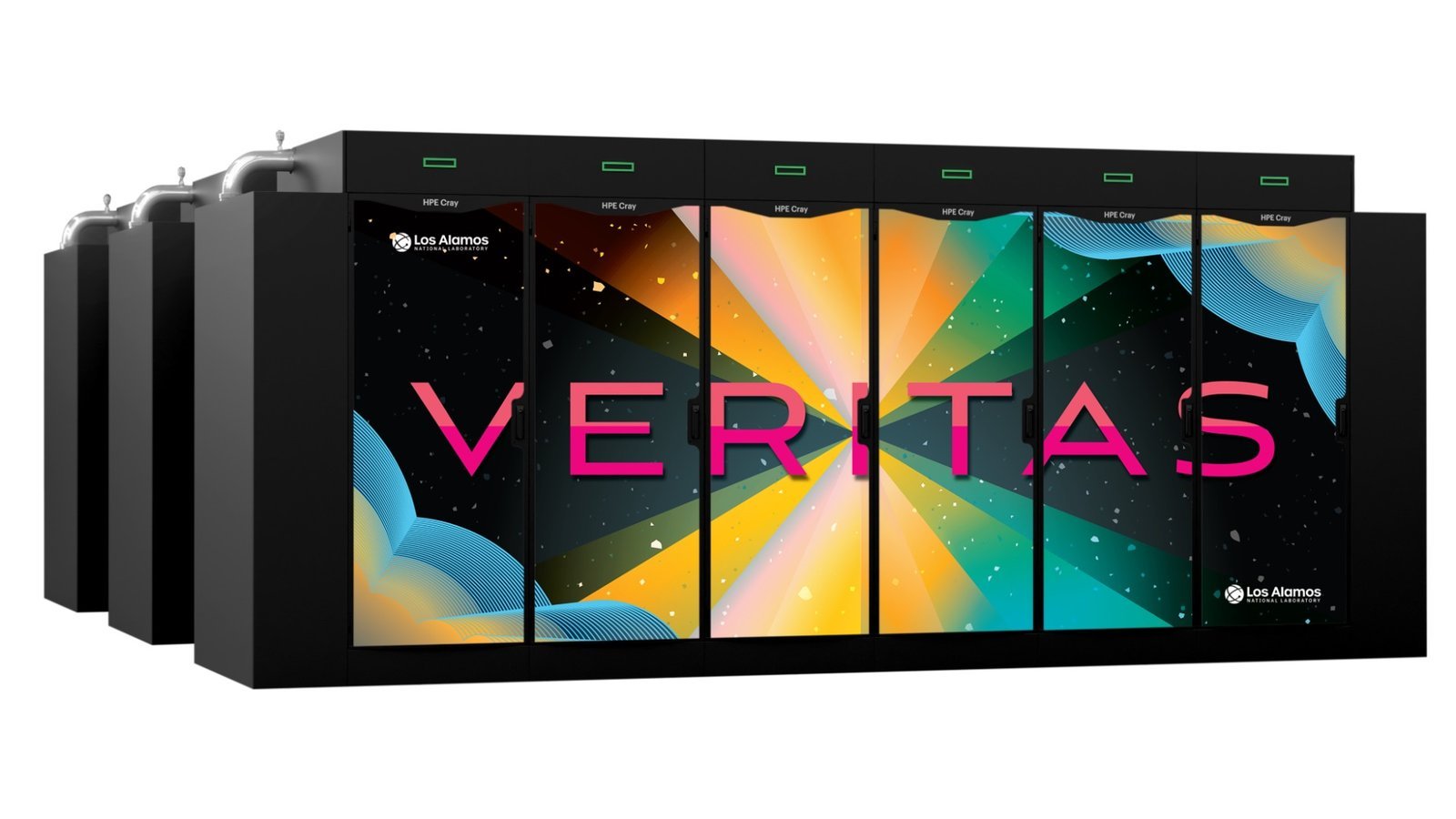
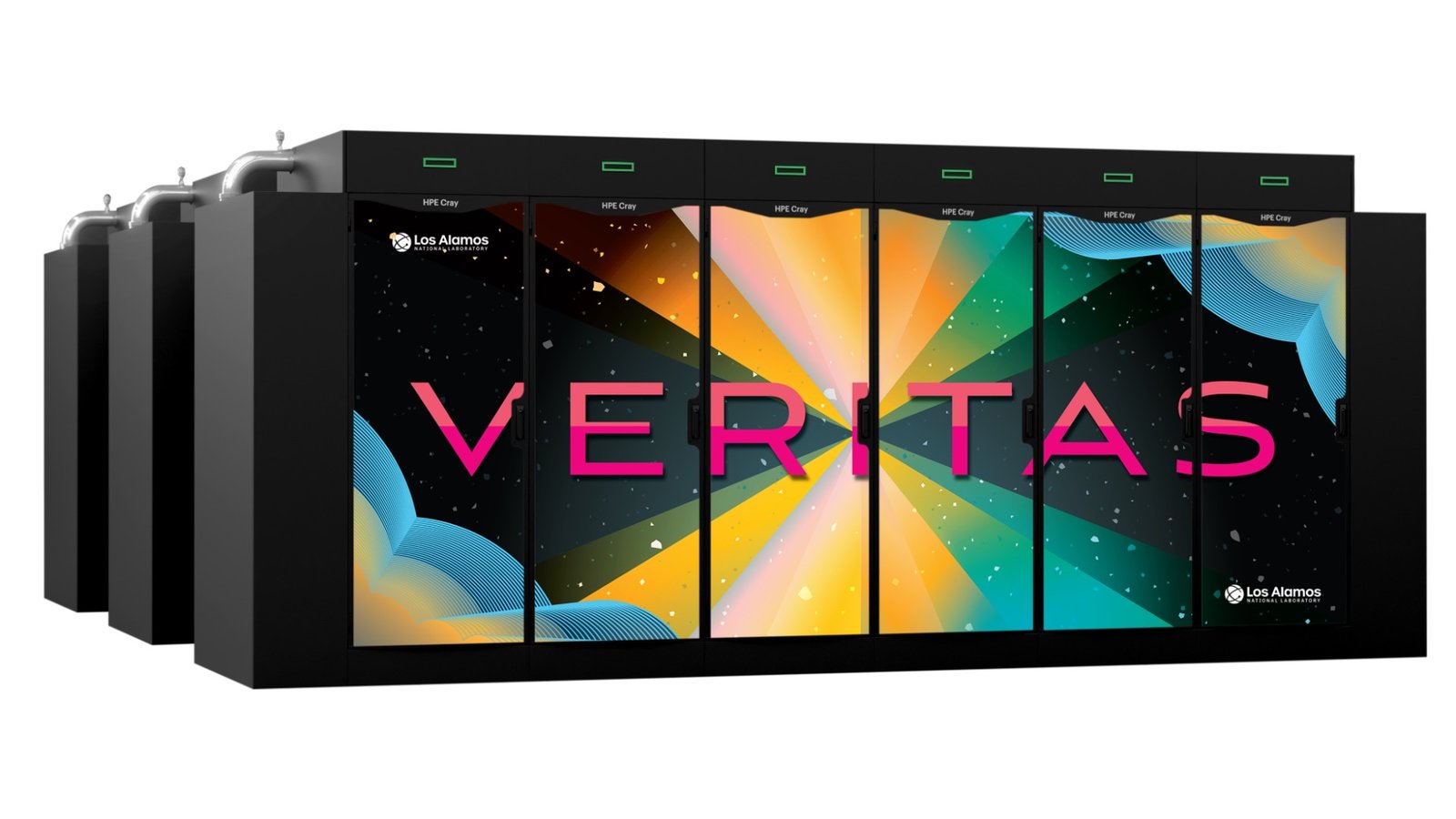
The landscape of scientific discovery is on the cusp of a profound transformation, and at its heart lies a new breed of computational power. Los Alamos National Laboratory (LANL), a titan in global scientific research, is spearheading this revolution with a strategic partnership between HPE and NVIDIA. Together, they are building a trio of next-generation supercomputers – Mission, Vision, and Veritas – designed to harness the raw might of the NVIDIA Vera CPU. This isn’t just about faster calculations; it’s about unlocking the true potential of agentic AI for science, fundamentally altering how we approach and solve the most intractable scientific challenges. This move portends a new era of unprecedented innovation, where AI doesn’t just assist, but actively drives discovery.
The NVIDIA Vera CPU: A Catalyst for Agentic Scientific AI
The NVIDIA Vera CPU is far more than a conventional processor; it’s a meticulously engineered platform tailored to meet the insatiable computational demands of cutting-edge AI and scientific applications. Its advanced architecture seamlessly blends high-performance computing with robust data processing capabilities, creating an ideal environment for developing and deploying complex AI models. For scientific AI, this translates into a paradigm shift: researchers can now execute more intricate simulations, analyze colossal datasets at breakneck speeds, and develop sophisticated machine learning algorithms to unravel the mysteries of the cosmos, engineer novel materials, or accelerate medical breakthroughs.
The concept of agentic AI, or autonomous AI agents, represents a monumental leap forward. Unlike traditional AI that merely executes pre-programmed tasks, agentic AI possesses the capacity for autonomous learning, planning, and action to achieve specific objectives without constant human intervention. In the scientific realm, this could utterly redefine the research workflow – from automatically designing experiments and autonomously collecting and analyzing data, to generating hypotheses and rigorously testing them. The synergy between the computational prowess of the NVIDIA Vera CPU and the self-governing capabilities of agentic AI promises to dramatically accelerate the pace of scientific discovery, tackling challenges once deemed insurmountable.
HPE Cray Supercomputing GX5000 and the NVIDIA Vera Rubin Platform
Synergistic Power from HPE and NVIDIA
The Mission, Vision, and Veritas supercomputers at LANL will be anchored by the HPE Cray Supercomputing GX5000 architecture, a globally recognized leader in high-performance computing. This architecture is lauded for its scalability, unparalleled performance, and unwavering reliability, providing a robust framework for integrating advanced technologies. The true innovation, however, lies in the deployment of the NVIDIA Vera Rubin platform – a potent ecosystem that harmonizes NVIDIA Vera CPUs, NVIDIA GPUs, and high-speed networking technologies.
This integrated approach creates a computational powerhouse where Vera CPUs adeptly handle sequential computing tasks and system management, while NVIDIA GPUs take on the heavy lifting of data-intensive, parallel processing, and AI workloads. This optimization ensures peak performance across a diverse range of scientific applications, from quantum physics simulations to astronomical data analysis. The tight integration between NVIDIA’s hardware and software, coupled with HPE’s deep expertise in supercomputing, guarantees that these systems will operate at their zenith, unlocking new frontiers for scientific inquiry at LANL.
Accelerating Scientific Discovery with Agentic AI
The ultimate objective of deploying these supercomputers is to turbocharge scientific discovery through agentic AI. Scientists at LANL will leverage these systems to simulate complex phenomena with unprecedented fidelity, gaining deeper insights into physical, chemical, and biological processes. Consider materials science, where AI can design novel materials with bespoke properties by simulating their molecular structures and atomic-level behaviors. In the energy sector, AI could optimize nuclear fusion reactor designs or pioneer more efficient energy storage solutions.
The automation and learning capabilities of agentic AI will liberate scientists from repetitive tasks, allowing them to focus on asking profound questions and interpreting groundbreaking results. This not only dramatically enhances research efficiency but also promises truly disruptive discoveries that might be beyond human reach using traditional methodologies. To delve deeper into LANL’s pivotal scientific projects, visit their official website at Los Alamos National Laboratory. Additionally, comprehensive details on HPE’s supercomputing solutions can be found at HPE High-Performance Computing.
The Long-Term Impact and Outlook to 2026
This substantial investment in NVIDIA Vera CPU-powered supercomputers at LANL is more than a technological upgrade; it’s a profound commitment to the future of science and innovation. By 2026, as these systems become fully operational, we can anticipate significant breakthroughs across myriad scientific disciplines. From developing new pharmaceuticals and advanced materials to tackling global grand challenges like climate change and clean energy, agentic AI, supercharged by the Vera CPU, will play a central, indispensable role.
The ripple effects of this technology will extend far beyond the confines of research laboratories, influencing numerous industries and facets of daily life. The ability to accurately simulate and predict outcomes will empower engineers to design superior products, policymakers to make more informed decisions, and scientists to explore entirely new horizons of knowledge. This initiative stands as a powerful testament to how the convergence of robust hardware and advanced artificial intelligence is actively reshaping our collective future.
Conclusion
The deployment of the Mission, Vision, and Veritas supercomputers, driven by the NVIDIA Vera CPU, at Los Alamos National Laboratory unequivocally demonstrates the foresight of leading institutions in advancing science and technology. With unparalleled computational power and the transformative capabilities of agentic AI, we are standing at the precipice of a new era where monumental scientific discoveries can be made with unprecedented speed and efficiency. The question isn’t if agentic AI will change science, but how profoundly it will rewrite the rules of discovery across every field.