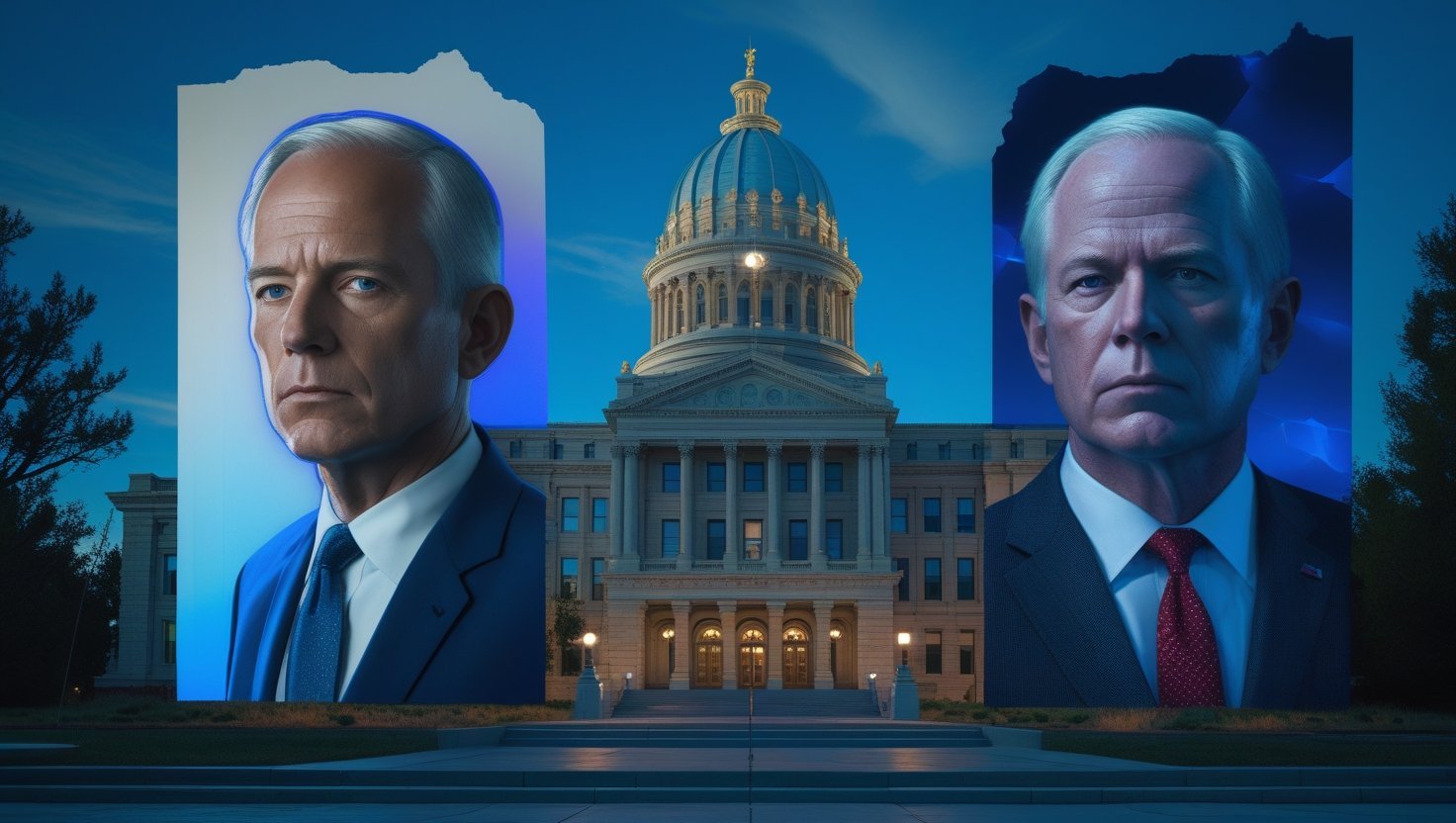
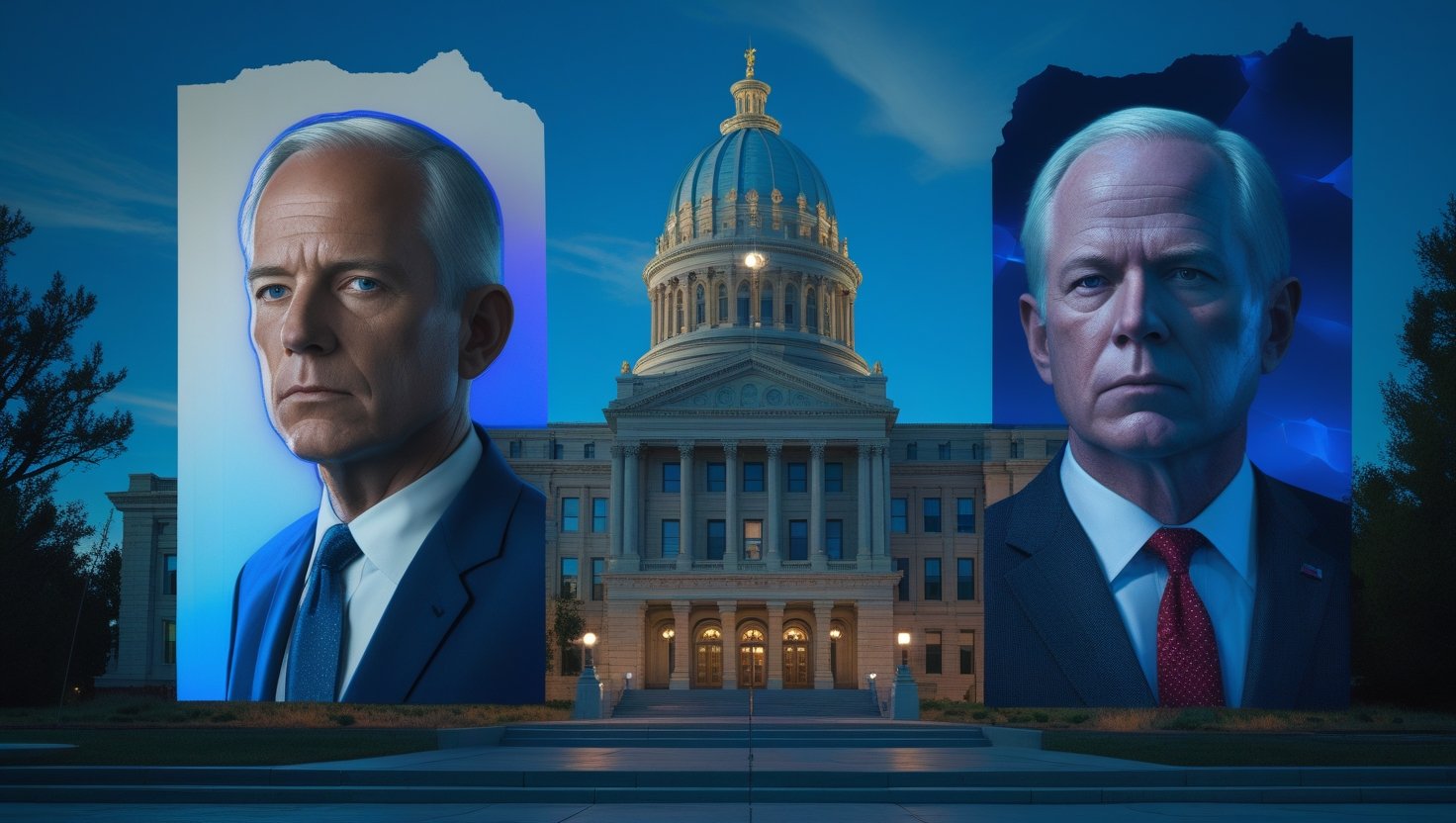
The digital age promised transparency, but instead, it delivered deepfakes. Now, a pivotal legal battle in Montana is forcing us to confront the uncomfortable truth: our elections are increasingly vulnerable to sophisticated AI manipulation. A lawsuit sparked by digitally altered political mailers has thrust the spotlight onto Montana’s AI law, one of the nation’s first attempts to regulate artificial intelligence in political campaigns. This isn’t just a local skirmish; it’s a bellwether for how jurisdictions worldwide will grapple with the ethical and legal quagmire of AI-generated misinformation, especially as the 2024 election cycle heats up and beyond.
Montana’s Pioneering AI Law Under Scrutiny
Enacted to safeguard the integrity of its elections, Montana’s AI law mandates disclosure for political content created or significantly altered by AI that could mislead voters. The intent is clear: protect the electorate from deceptive tactics and ensure they receive accurate information. Yet, the devil, as always, is in the details. The current lawsuit centers on political mailers allegedly employing AI to manipulate imagery or messaging to disadvantage a candidate. The plaintiffs contend these mailers violate the state’s AI statute by failing to disclose AI use and, critically, by having the potential to deceive voters.
This case represents a critical stress test for the law’s efficacy and scope. How do you definitively draw the line between legitimate digital enhancement and misleading AI alteration? The outcome here won’t just impact Montana; it will provide a crucial blueprint for other states and even federal lawmakers contemplating similar regulations. The industry, too, is watching closely. Tech companies, from social media giants to AI developers, will need to adapt their content moderation policies and potentially develop new detection tools to comply with an evolving regulatory landscape.
Deepfakes: The Existential Threat to Democratic Discourse
The Insidious Power of AI-Generated Deception
Deepfakes, born from the sophisticated algorithms of deep learning, represent a profound threat to our shared reality. They can convincingly fake images, videos, and audio, making it appear as though individuals said or did things they never did. This technology isn’t just a novelty; it’s a weapon. In the political arena, deepfakes can fabricate scandalous statements, stage non-existent events, or spread outright lies, all with a veneer of authenticity that makes them incredibly difficult to discern from genuine content. The speed at which these fabrications can spread across social media platforms amplifies their danger, eroding public trust and sowing discord.
Consider the implications: a deepfake video of a candidate making a racist remark could go viral just days before an election, irrevocably damaging their campaign before the truth can catch up. The very foundation of informed democratic choice is undermined when voters cannot trust the information presented to them. This isn’t a hypothetical future; it’s happening now, and the tools to create such content are becoming increasingly accessible.
A Global Scramble for Regulation
Montana is not alone in its struggle. The threat of deepfakes has prompted a global regulatory scramble. The European Union’s comprehensive AI Act includes stringent transparency requirements for AI-generated content. In the United States, numerous other states are weighing similar legislation, recognizing the urgent need to protect their electoral processes. Tech titans like Google, Meta, and Microsoft are investing heavily in deepfake detection and content moderation, but it’s an arms race where the creators of deceptive AI are constantly innovating. The challenge is immense, requiring a concerted effort from lawmakers, tech companies, and an informed citizenry.
Transparency and Ethics: The Bedrock of Trust in the AI Age
The Montana lawsuit underscores a fundamental truth: transparency in AI is non-negotiable, especially in sensitive domains like politics. When AI can craft such convincing fabrications, clear disclosure of AI’s role in content creation is paramount. Transparency empowers voters to make informed decisions and fosters trust in our information systems and democratic processes. AI developers bear a significant responsibility to build systems capable of identifying and labeling AI-generated content, making it easier for users to distinguish fact from fiction.
Beyond regulation, public education is vital. We must equip citizens with the critical thinking skills to evaluate information skeptically and recognize the signs of AI manipulation. Media literacy campaigns, fact-checking initiatives, and promoting a culture of critical engagement are essential defenses against the tide of misinformation. For further reading on the broader implications of AI in politics, consider exploring insights from The Brookings Institution or delve into the specifics of electoral law and AI from The National Conference of State Legislatures.
Ultimately, the ethical development and deployment of AI are as crucial as any legal framework. Developers must consider the societal impact of their creations, adhering to principles of fairness, accountability, and privacy. Establishing AI ethics boards and clear guidelines within organizations can foster responsible innovation. The sustainable future of AI hinges on our ability to balance technological advancement with core human values.
The Montana AI law lawsuit is more than just a legal dispute; it’s a stark reminder of the urgent need for robust frameworks to govern AI, particularly within the political sphere. As AI’s power and accessibility grow, ensuring transparency, fairness, and ethics in its applications is paramount to safeguarding democracy and public trust. How do you believe governments should balance fostering AI innovation with preventing its misuse in political campaigns?