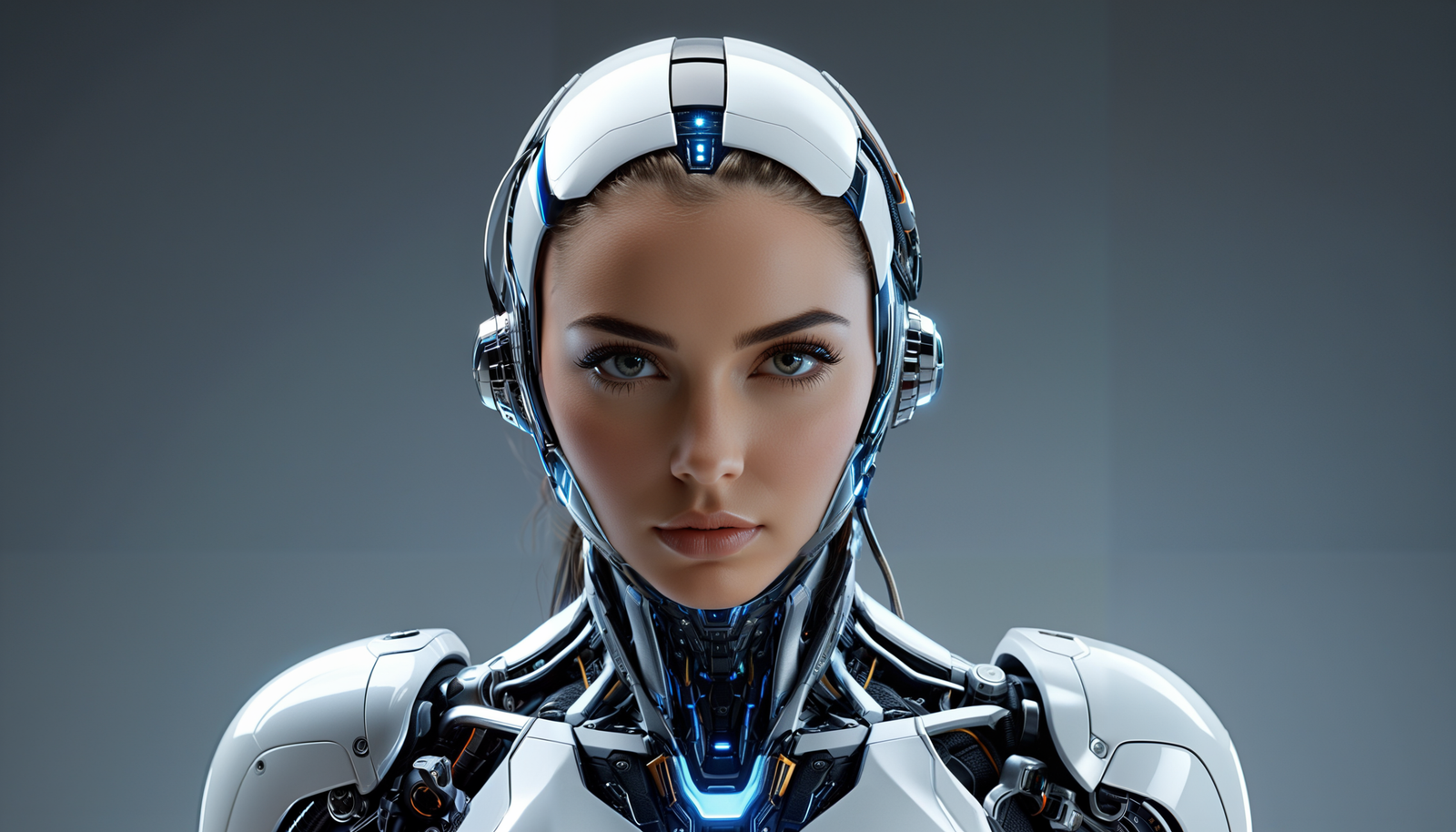
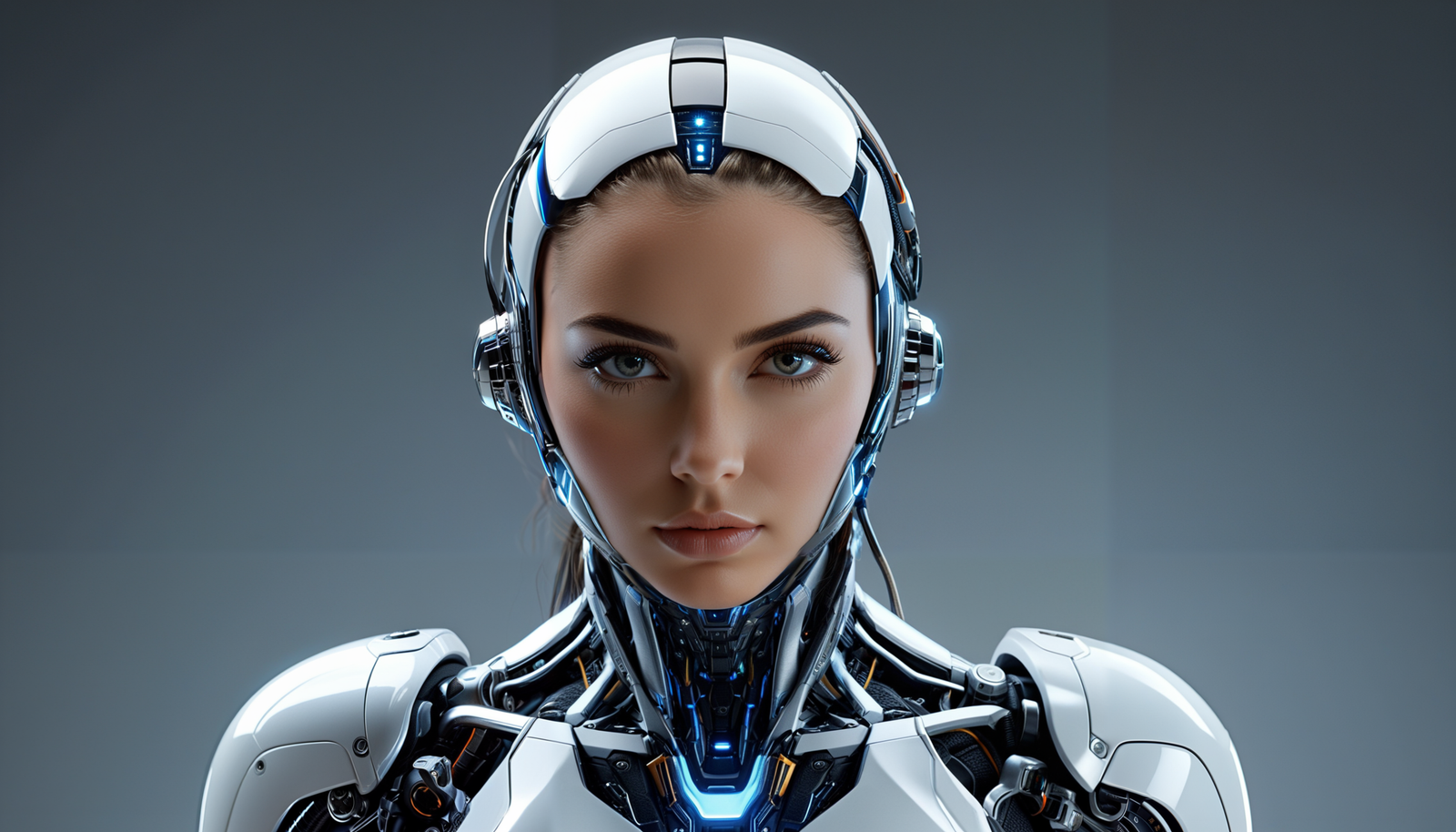
The hype around autonomous robots is intoxicating. We see them in sci-fi films, in industrial warehouses, and on the promise of last-mile delivery. But for most of us, the thought of a truly autonomous machine operating safely among people and unpredictable environments still conjures images of malfunction or unpredictable behavior. The critical bottleneck isn’t movement; it’s trust. The next generation of robotics must prove it can operate safely, efficiently, and predictably. This is the frontier where advanced computer science meets real-world physics, and it’s exactly what researchers at Berkeley Engineering are tackling.
The core challenge is encapsulated in the concept of autonomous robot safety. It’s not enough for a robot to follow a pre-programmed path; it must anticipate, adapt, and fail gracefully when the environment throws a curveball—a child darting out, a sudden change in lighting, or an unexpected object. This shift from ‘can it move?’ to ‘can it move *safely*?’ is defining the future of automation, making it the most complex engineering challenge of the decade.
The Core Principles of Trustworthy Robotics
Building a machine that operates safely in a complex human environment requires far more than just powerful motors and basic programming. It demands a multi-layered approach to safety, integrating redundancy and predictive modeling. The researchers are moving away from single-point failure systems. Instead, they are implementing comprehensive safety protocols that model not only physical collisions but also potential software or decision-making errors. This includes rigorous simulation of high-risk scenarios, from physical impacts to ethical dilemmas, ensuring the robot’s decision matrix is robust before it ever leaves the lab.
A key component of this safety architecture is predictive behavior mapping. The robot must not just see a person; it must predict where that person will be in the next three seconds. This requires fusing data streams from multiple sources to create a holistic, real-time understanding of the environment’s dynamics. If the robot can accurately predict the trajectory of a pedestrian, it can preemptively adjust its speed or path, making it genuinely reliable.
Sensor Fusion: The Robot’s Enhanced Super-Vision
At the heart of any sophisticated autonomous system is its ability to perceive. Early robotics often relied on single-source inputs—a camera, or a limited range radar. These systems are blind to the full spectrum of environmental hazards. Modern approaches, pioneered by institutions like Berkeley, mandate sensor fusion. This isn’t just combining data; it’s synthesizing different data types (LiDAR point clouds, high-resolution cameras, and millimeter-wave radar) to create a single, highly accurate, and redundant model of the world.
Consider the difference: A camera sees color and texture, identifying a box. Radar sees velocity and distance, confirming the box is stationary. LiDAR maps the precise geometric shape of the box relative to the robot. By combining these inputs, the system achieves an unprecedented level of confidence in its understanding of the environment. This redundancy is the ultimate safety net. If one sensor is blinded by glare or fog, the others compensate, ensuring the system maintains a reliable, 3D understanding of its surroundings.
Deep Learning for Contextual Understanding
The massive amount of data generated by fused sensors is useless without sophisticated processing power. This is where Deep Learning models come into play. These algorithms are trained on colossal datasets of real-world, messy scenarios—not just perfectly lit warehouse aisles. They teach the robot to classify objects based on context. Is that object a trash can (low risk)? Or is it a piece of lumber that could fall (high risk)? The system must distinguish between a stationary obstacle and a potential hazard, a capability that moves the robot from a mere machine to an intelligent agent.
The Industry Stakes: From Lab Bench to Global Infrastructure
The breakthroughs in autonomous robot safety are not just academic achievements; they are economic prerequisites. No industry—be it advanced manufacturing, elder care, or last-mile logistics—can adopt robots at scale until they are proven safe and predictable. The current research cycle is directly addressing the