Beyond LLMs: Why ‘World Models’ Are AI’s Next Big Leap – And What It Means For You

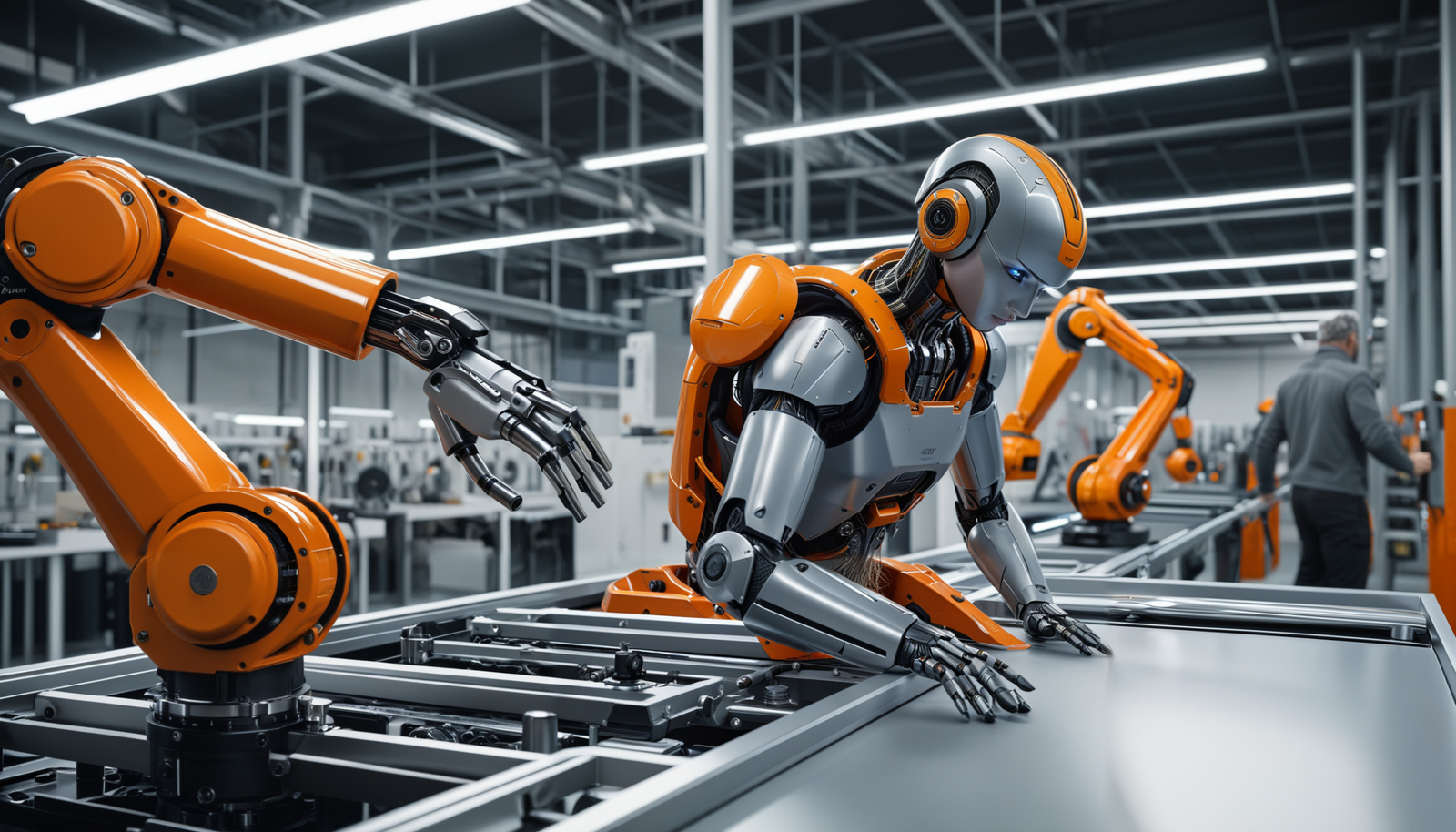
Forget the hype around large language models for a moment. A more profound shift is underway in AI research: the rise of ‘world models.’ These sophisticated AI systems are learning to build internal representations of their environments, predicting outcomes, and simulating scenarios without direct physical interaction. This isn’t just an incremental improvement; it’s a foundational change that could unlock truly intelligent and autonomous AI, fundamentally reshaping industries from robotics to drug discovery.

Cosmos 3: The NVIDIA-Backed Brain Enabling Physical AI to Think Before It Acts

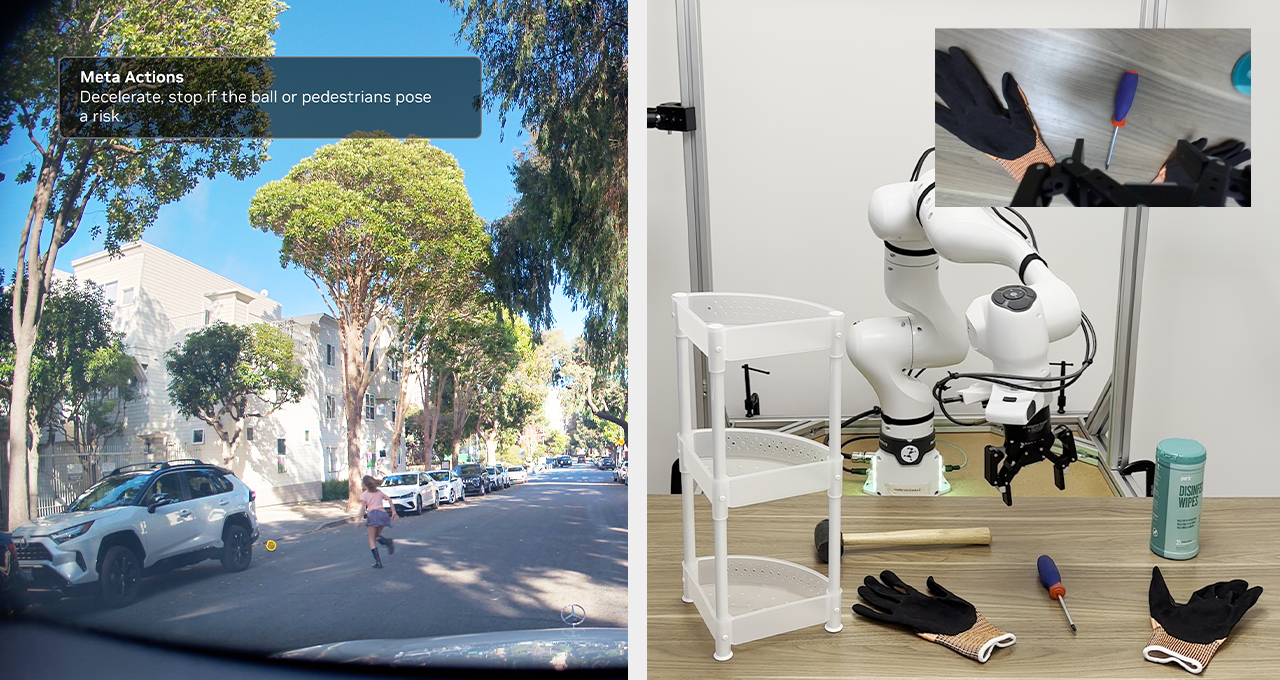
NVIDIA’s Cosmos 3 is poised to revolutionize physical AI by granting robots the ability to think, plan, and predict outcomes before executing actions. This advanced framework moves beyond reactive systems, enabling AI to build internal world models, reason, and make safer, more efficient decisions in complex, unpredictable environments.

NVIDIA Unlocks the Next Frontier of AI: Why Physical AI Agent Skills Are a Game-Changer

NVIDIA’s latest announcements at CVPR aren’t just about incremental improvements; they signal a profound shift towards practical, real-world AI. By introducing new physical AI agent skills, NVIDIA is tackling the core challenges in developing autonomous vehicles, advanced robotics, and sophisticated vision AI systems, moving beyond theoretical models to robust, deployable solutions. This isn’t just about making AI smarter; it’s about making it work in the messy, unpredictable physical world.

NVIDIA’s Cosmos Predict 2.5: Unlocking Hyper-Realistic Robot Video Generation with LoRA and DoRA

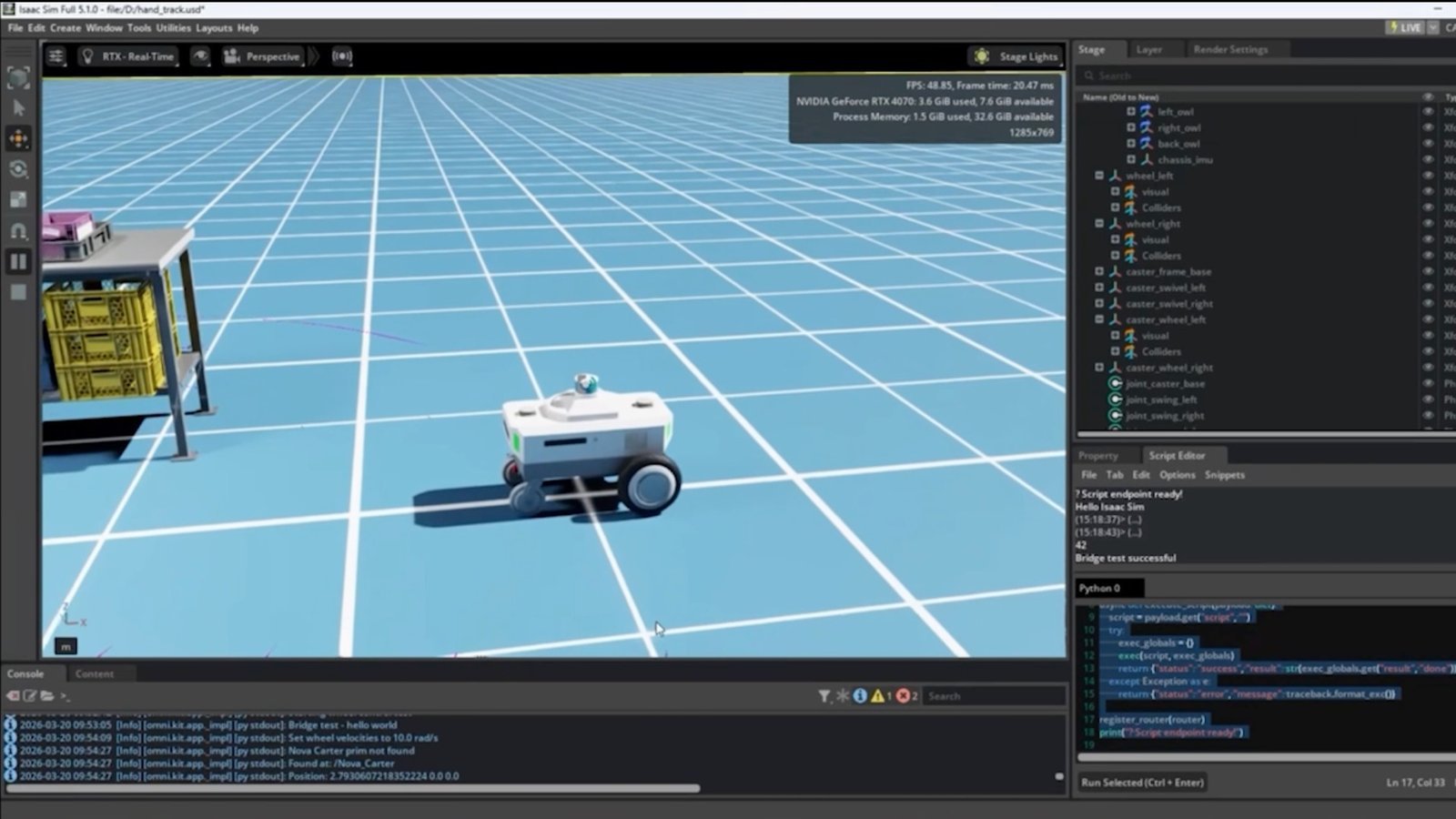
The future of robotics isn’t just about physical machines; it’s about their digital twins and the hyper-realistic videos that bring them to life. NVIDIA’s Cosmos Predict 2.5, when supercharged with advanced fine-tuning techniques like LoRA and DoRA, is set to revolutionize robot video generation, pushing the boundaries of what’s possible in virtual prototyping, entertainment, and human-robot interaction.

Mind Over Machine: Non-Invasive Brain-Computer Interfaces Are Bringing Robotic Assistance Home by 2026

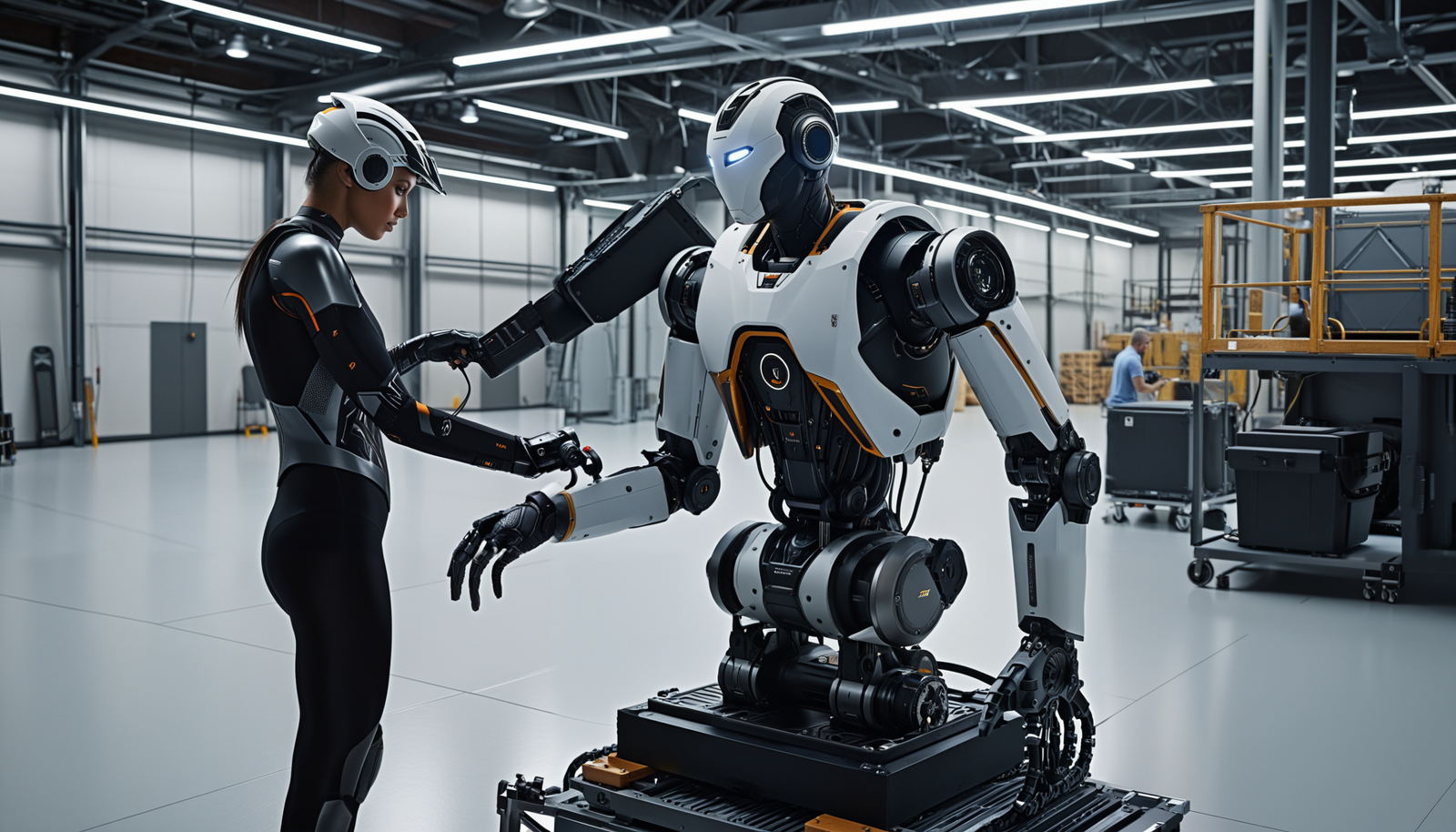
Forget joysticks and touchscreens. The future of interaction is mind-controlled, and non-invasive brain-computer interfaces are rapidly advancing to bring sophisticated robotic assistance into our daily lives, promising a revolution in independence and accessibility by 2026.